Add Row
UPDATE
Add Element
Add Element
  • Home
  • Categories
    • Seasonal Yard & Property Care
    • Tools, Equipment & Product Insights
    • DIY Projects & How-To Guides
    • Pro Services & Local Highlights
    • Industry News & Trends
    • Sustainable Landscaping & Outdoor Living
October 14.2025
3 Minutes Read

Embrace the Dark Beauty: Create Your Year-Round Goth Garden

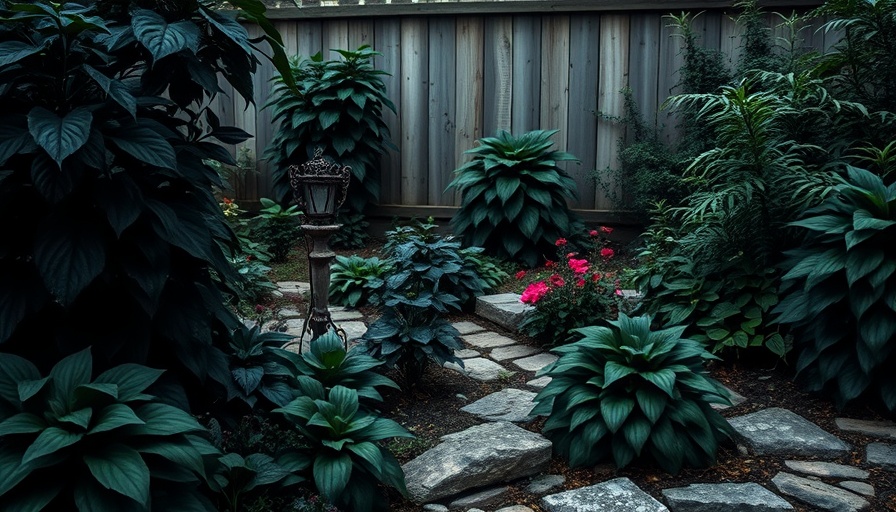
Lush Gothic-style garden with dark foliage, year-round appeal.

Unraveling the Allure of Goth Gardens

For many, the allure of an eerie atmosphere isn't confined to Halloween; it permeates their gardening techniques year-round. The rise of goth gardens is an exciting trend amongst avid green thumbs who embrace the emotional undertones of dark aesthetics. One innovative gardener, Chloe Hurst, has masterfully illustrated this transformation in her Carleton Place, Ontario home. With elements such as headstone plant markers, a chandelier, and a weeping angel statue, she has meticulously crafted an enchanting yet haunting garden experience.

The Meaning Behind Goth Gardening

A goth garden is not merely defined by the choice of dark-colored plants. Instead, it encompasses an entire ethos—a fusion of moodiness, intrigue, and dramatism. According to Sarah Browning, a community forester associated with the Nebraska Statewide Arboretum, goth gardens are enclosed spaces, setting a stark contrast to the open and bright cottage gardens that often flood the suburban landscape. Think of shadows playing across twisted paths leading through secretive spots adorned with intriguing plants and structures.

Why Goth Gardens Are Taking Root

With roots tracing back to the post-punk music scene of the late 1970s, the goth movement originally blossomed in urban centers. Cultivating a goth garden extends this aesthetic outwards, allowing enthusiasts to express their love for the macabre in a tangible way. This trend has surged in popularity, inspired by contemporary media such as Netflix’s “Wednesday” and the music of artists like Lady Gaga. Social media platforms, particularly TikTok and Instagram, serve as a vibrant stage for goths to worldwide share their garden escapades, cultivating a sense of community.

Plant Selection: The Heart of Goth Gardens

Choosing the right plants is fundamental to creating the haunting ambiance of a goth garden. Hurst recommends opting for plant species that display dark, rich colors or unique structures. Essential choices include:

  • ‘Black Mamba’ Petunias: Offering true black petals, these flowers add elegance to the dark spectacle.
  • ‘Dark Side of the Moon’ Astilbe: Known for its shimmering shade, this plant introduces depth and contrast.
  • ‘Black Lace’ Elderberry: With its finely dissected foliage, this plant weaves textures into the garden.

Notably, incorporating edibles with an eerie twist, such as ‘Black Krim’ tomatoes and ‘Black Beauty’ eggplants, adds both distinctive flair and function to the garden.

Creating A Haunting Atmosphere With Hardscaping

The success of a goth garden doesn't solely rely on plant selection; hardscaping is equally essential. Features like stone arches, pathways lined with moss-covered stones, and dramatic statues invoke a gothic allure that enhances the overall ambiance. Dark garden elements can stimulate sensory engagement, allowing for a deeper connection to nature. Think of old wrought iron gates that creak as they swing open, inviting visitors into a mysterious haven.

Lighting: Setting the Scene for Enchantment

Light plays a crucial role in establishing a gothic mood. Dim, atmospheric lighting can elevate the garden experience, creating eerie shadows and an inviting mystery. Lanterns, fairy lights, and strategically placed candles can cast a gentle glow on darker corners, allowing for a magical yet macabre atmosphere both during the day and night.

The Journey Towards Transformation: Planning Your Goth Garden

Creating your own goth garden is a personal journey that involves thoughtful planning and creativity. Begin by selecting a theme that ignites your passion, then sketch a layout that incorporates your chosen plants and hardscape elements. Consider ways to make your space distinctly your own, whether through unique decorative features, curated plant selections, or enchanting settings for gatherings with fellow enthusiasts.

Embrace Your Dark Side

Goth gardening offers a chance to explore creativity and connect with nature in a way that transcends seasonal decorations. As the trend grows in popularity, there's an opportunity for all to indulge in the spooky, beautiful world of goth gardens. So grab your tools and prepare to create a hauntingly beautiful retreat that reflects your unique aesthetic.

For those looking to take their gardens to the next level, consider consulting with local landscaping professionals who can provide tailored advice and equipment insights. Your goth garden awaits!

DIY Projects & How-To Guides

32 Views

Write A Comment

*
*
Related Posts All Posts
02.11.2026

Unlock Year-Round Garden Charm with Four Season Shrubs Today

Update Transform Your Garden with Four Season Shrubs If you wish to enjoy your garden in every season, implementing four-season shrubs is a must. Gardeners looking for year-round appeal should consider various perennials and biennials that thrive in different climates. These shrubs contribute consistently captivating arrangements, enhancing the garden's aesthetic and inviting engaging conversations with visitors. Year-Round Appeal: What to Look For To cultivate a garden that flourishes across seasons, select shrubs that boast year-round features. Look out for aspects such as vibrant leaf colors throughout spring and fall, multi-seasonal blooms, berry production, and interest in seed pods after flowers fade. This spring, get started by planting some of these well-regarded varieties. For example, the prestigious Royal Horticultural Society often awards shrubs for their ability to dazzle all year long. Must-Have Four Season Shrubs Among the noteworthy options, the Nellie Stevens Holly stands tall, providing lush greenery complemented by beautiful red berries in winter. Similarly, Emerald Green Arborvitae not only offers year-round color but also deliciously contrasts with other seasonal plants. It is worth noting that the Texas Pink Pomegranate Tree adds unique fruiting capability along with eye-catching blooms to your outdoor space. Understanding Seasonal Changes and Adaptation When selecting your four-season shrubs, it’s crucial to consider the environmental conditions of your garden. Assess your local climate to identify which plants will thrive. Utilize resources available within the Muskegon area to make informed decisions on soil types, sunlight exposure, and average temperatures. Interestingly, observing how other plants in your vicinity behave can often inform your shrub choices. For instance, pairing early-blooming flowering shrubs like Forsythia with later bloomers such as Rhododendrons and Azaleas can extend visual interest throughout the year. This strategic planting enables continuous splashes of color and vitality, even as seasons shift. Combining Senses for Enhanced Garden Quality When incorporating four-season shrubs, don't forget to engage multiple senses. Plants like Lilacs not only provide visual splendor with their fragrant blooms but also fragrance that lingers through the spring, captivating all who pass by. Combining such sensory elements ensures your garden tells a story that captivates visitors all year. Actionable Insights for Gardeners in Muskegon If you’re ready to start a backyard planting box in Muskegon, or perhaps wish to construct outdoor soil beds, consider the four-season shrubs detailed here as part of your design. Successful gardeners know how to leverage the available space in their yards by using these versatile plants that offer both height and depth to the design of your landscape. Final Thoughts: Reinvent Your Space Incorporating four-season shrubs into your garden not only elevates its aesthetic appeal but also allows for continuous interaction with nature throughout the year. Explore the local resources in Muskegon for expert advice on construction and tips on how to elevate the beauty of your outdoor space year-round.

02.11.2026

Master the Art of Dividing Snowdrops for a Gorgeous Garden Meadow

Update A Blooming Wonder: Transforming Your Garden with Snowdrops For gardeners looking to elevate their spring landscape, few flowers are as enchanting as snowdrops (Galanthus nivalis). These delicate white blooms, often peeking through the snow, can create stunning drifts in shaded areas of your garden. With a bit of care and planning, you can easily divide and replant these bulbs, enhancing both their beauty and spread throughout your landscape. This guide will walk you through the simple process of multiplying your snowdrops and achieving that magical meadow effect. The Optimal Time to Divide Snowdrops The best time to divide snowdrops is just after their flowering season while the foliage remains lush and green. This timing allows the bulbs to harness the energy needed for their next growing cycle. Remember, unlike other bulbs that prefer to be transplanted when dormant, snowdrops thrive when divided and replanted in active growth. Wait until the blooms have faded, then get ready to dig! Timing is crucial because once the leaves start to yellow significantly, you've missed the prime moment for effective division. Preparing Your Planting Location Like many elements of landscaping, successful snowdrop planting begins with the right environment. Snowdrops prefer partial shade and well-draining soil, making spots beneath deciduous trees or sun-dappled garden pathways ideal locations. For a more natural effect, consider planting in irregular shapes or 'drifts' instead of rigid rows. Here, the visual beauty of the snowdrops can shine through—the randomness mimicking the organic spread of nature. Step-by-Step Guide to Dividing Snowdrops Ready to multiply your snowdrops? Follow these simple steps for a successful division: Gather Your Tools: You'll need a garden fork, a trowel for replanting, and a container to hold your bulbs temporarily. Digging Up Your Clumps: Take care when lifting the snowdrops; use your garden fork to gently dig a few inches away from the leaves to avoid damaging the roots. Lifting the entire clump while retaining some soil helps minimize transplant shock. Separating the Bulbs: Look for natural separation points in the clump, and gently tease apart the bulbs, ensuring each one retains some roots. If you’re taking from a dense area, ensure you leave some clumps intact to continue blooming next season. Replanting: Space the bulbs a few inches apart in your chosen location, making sure to plant them at their original depth. Water thoroughly to help them settle in. Enhancing the Health of Your Snowdrop Bulbs After planting your newly divided snowdrops, proper aftercare is crucial to help them thrive. Regular watering will keep the soil moist but not waterlogged. A light mulch can assist in retaining moisture while keeping temperatures moderate. As with any garden project, patience is key; snowdrops will take a season or two to grow and establish in their new spots before really beginning to spread. Beyond Snowdrops: Other Charming Spring Bulbs While snowdrops are stunning, consider introducing other spring blooms such as winter aconites or crocus to create a truly vibrant garden display. Similar to snowdrops, these bulbs can also benefit from division and provide wonderful color early in the season. In particular, the cheerful yellow of winter aconites pairs beautifully with the crisp whites of snowdrops, enriching the aesthetic appeal of your garden. Final Thoughts: Creating Your Garden Oasis Dividing and replanting snowdrops is an enjoyable project that brings not only beauty but also a sense of accomplishment as your garden transforms into an enchanting haven. As spring approaches, take time to plan your snowdrop meadow and consider integrating other spring flourishes that will complement your space effectively. Whether you're looking to start a backyard planting box in Muskegon or crafting a stunning meadow, the possibilities are endless.For those inspired by the beauty of home gardens, there are numerous other DIY projects you can engage in this season, from building enhanced planting beds to creating practical outdoor storage solutions. Start exploring today, and transform your outdoor space into a thriving garden.

02.09.2026

Get Started with These 7 Fruit Trees to Plant in February for Backyard Success

Update Planting Fruit Trees in February: The Perfect Timing As winter lingers and temperatures dip, many garden enthusiasts are often wondering about the best practices to maximize their outdoor spaces come spring. February, while still cold, presents a unique opportunity to plant certain fruit trees that can lead to bumper harvests later in the year. With the right selection and care, you can set the stage for a fruitful summer. 7 Fruit Trees to Consider This Month Here’s a curated list of seven fruit trees that are ideally suited for planting in February: ‘Brown Turkey’ Figs - A hardy choice that can withstand temperatures as low as 10°F, these trees yield sweet fruit and can thrive in various soil types. Peaches - Native to Asia, peaches require some chill hours to produce fruit. Ensure to wrap the trunk post-planting for added winter protection. Bubblegum ‘Toka’ Plums - Known for their self-pollinating capability, these plums are great for smaller spaces and deliver a sweet harvest. Apples - Always a favorite, apples can withstand colder climates, making them ideal for February planting. Asian Persimmons - Plan to plant two for optimal pollination and enjoy these sweet fruits in the fall. Pomegranates - Prefer drier conditions, these trees flourish best in warmer climates but can also be grown in containers further north. ‘D’Anjou’ Pears - A reliable choice for home gardens, these pears are delicious fresh off the tree and require minimal maintenance once established. Choosing the Right Soil and Care Proper soil preparation is crucial. It’s recommended to use well-draining soil rich in organic matter. Soaking bare-root trees for 12 to 24 hours before planting is also beneficial. Also, make sure the planting hole is twice the width and depth of the root ball to encourage healthy root growth. Emotional and Practical Benefits of Gardening In addition to the tangible benefits of producing fruit, planting trees in February can serve as a therapeutic activity. Engaging with nature through gardening can reduce stress levels and improve mental well-being. Each fruit tree planted signifies hope and the anticipation of a fruitful harvest, which is particularly rewarding. Plan for Your Future Garden In constructing your dream backyard, consider not only fruit trees but also how they fit into your overall garden design. Whether you're looking to start a backyard planting box or build elevated planter boxes, having a strategy can enhance your space’s aesthetics and functionality. Actionable Tips for Successful Planting Here are some tips to ensure successful fruit tree planting this February: Mulching: Apply mulch around the base of your trees to retain moisture and protect from frost. Protection: Use tree wraps to shield young trees from cold temperatures and potential pests. Hydration: Regularly water your newly planted trees to help them settle into their new environment. Planting fruit trees in February is not only an opportunity to beautify your backyard but can also lead to a sustainable food source for years to come. Start envisioning your backyard fruit oasis today and take that first step toward a thriving garden!

Terms of Service

Privacy Policy

Core Modal Title

Sorry, no results found

You Might Find These Articles Interesting

T
Please Check Your Email
We Will Be Following Up Shortly
*
*
*
