Add Row
UPDATE
Add Element
Add Element
  • Home
  • Categories
    • Seasonal Yard & Property Care
    • Tools, Equipment & Product Insights
    • DIY Projects & How-To Guides
    • Pro Services & Local Highlights
    • Industry News & Trends
    • Sustainable Landscaping & Outdoor Living
April 24.2025
3 Minutes Read

Is Mesotrione (Tenacity) the Right Pre-Emergent for Your Lawn Care Needs?

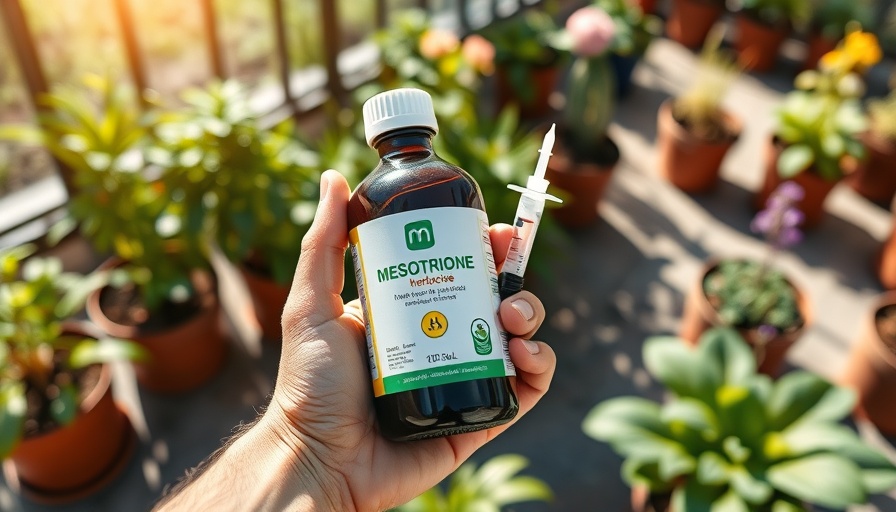
Mesotrione herbicide bottle and syringe in garden setting

Understanding Mesotrione: A Lawn Care Essential

Mesotrione, often recognized under the brand name Tenacity, serves as a powerful ally for homeowners aiming to maintain a weed-free garden. Primarily used for both pre and post-emergent weed control, it has caught the attention of lawn aficionados and casual gardeners alike. While many DIY enthusiasts are eager to try out this herbicide after seeing it featured in numerous online lawn care videos, it’s critical to understand its proper applications and limitations.

When to Use Mesotrione: Timing is Everything

For anyone considering adding Mesotrione to their lawn care arsenal, timing is crucial. In warm-season grasses, this product isn’t the go-to choice. Although Centipede grass can benefit from its post-emergent capabilities against problematic grasses such as Crabgrass and Goosegrass, Mesotrione's effectiveness diminishes when applied to other warm-season lawns, particularly in residential settings. The advice here is clear: don't waste your money! Instead, recognizing the right context for its use is key to successful lawn maintenance.

The Efficacy of Mesotrione in Cool-Season Turf

In stark contrast, Mesotrione shines when used with cool-season turf, especially in the fall. Not only can it suppress weeds effectively, but it can also be applied during seeding, promoting a healthier germination process. By applying Mesotrione at the same time as your cool-season grass seed, you not only create an optimal environment for your seeds but also shield them from early weed competition.

Beyond Mesotrione: Choosing the Right Pre-Emergent

For seasoned gardeners and lawn care novices alike, Mesotrione is not the only tool available for pre-emergent applications. Many alternatives like Prodiamine or Dithiopyr offer longer-lasting effects and broader weed control, making them the preferred choice for established lawns. A strategic approach in selecting the right herbicide not only enhances the quality of your turf but also saves you time and expense in the long run.

Practical Steps to Implement

Before deciding to add Mesotrione to your lawn care routine, consider these practical tips:

  1. Assess Your Grass Type: Understand whether your lawn consists of cool-season or warm-season grasses to determine the efficacy of Mesotrione.
  2. Timing is Key: Use Mesotrione as a pre-emergent at the time of seeding and refrain from application on germinated grass.
  3. Consider Alternatives: Explore other herbicides, particularly if dealing with established lawns that require long-term weed control.

Empowering the Homeowner

Understanding when and how to use products like Mesotrione empowers homeowners and property managers, encouraging a DIY approach to lawn care that saves both time and money. By keeping yourself informed about the strength and limitations of these herbicides, you can confidently tackle your lawn care tasks.

Conclusion: The Road to a Lush Lawn

In conclusion, while Mesotrione (Tenacity) can be a useful addition to your lawn care toolkit, it is essential to apply it correctly to reap the full benefits. With the right timing and understanding of your lawn’s needs, you can set the stage for a lush, healthy lawn. For more DIY tips, tricks, or to explore local professionals for comprehensive lawn care needs, stay connected!

DIY Projects & How-To Guides

23 Views

Write A Comment

*
*
Related Posts All Posts
02.09.2026

Get Started with These 7 Fruit Trees to Plant in February for Backyard Success

Update Planting Fruit Trees in February: The Perfect Timing As winter lingers and temperatures dip, many garden enthusiasts are often wondering about the best practices to maximize their outdoor spaces come spring. February, while still cold, presents a unique opportunity to plant certain fruit trees that can lead to bumper harvests later in the year. With the right selection and care, you can set the stage for a fruitful summer. 7 Fruit Trees to Consider This Month Here’s a curated list of seven fruit trees that are ideally suited for planting in February: ‘Brown Turkey’ Figs - A hardy choice that can withstand temperatures as low as 10°F, these trees yield sweet fruit and can thrive in various soil types. Peaches - Native to Asia, peaches require some chill hours to produce fruit. Ensure to wrap the trunk post-planting for added winter protection. Bubblegum ‘Toka’ Plums - Known for their self-pollinating capability, these plums are great for smaller spaces and deliver a sweet harvest. Apples - Always a favorite, apples can withstand colder climates, making them ideal for February planting. Asian Persimmons - Plan to plant two for optimal pollination and enjoy these sweet fruits in the fall. Pomegranates - Prefer drier conditions, these trees flourish best in warmer climates but can also be grown in containers further north. ‘D’Anjou’ Pears - A reliable choice for home gardens, these pears are delicious fresh off the tree and require minimal maintenance once established. Choosing the Right Soil and Care Proper soil preparation is crucial. It’s recommended to use well-draining soil rich in organic matter. Soaking bare-root trees for 12 to 24 hours before planting is also beneficial. Also, make sure the planting hole is twice the width and depth of the root ball to encourage healthy root growth. Emotional and Practical Benefits of Gardening In addition to the tangible benefits of producing fruit, planting trees in February can serve as a therapeutic activity. Engaging with nature through gardening can reduce stress levels and improve mental well-being. Each fruit tree planted signifies hope and the anticipation of a fruitful harvest, which is particularly rewarding. Plan for Your Future Garden In constructing your dream backyard, consider not only fruit trees but also how they fit into your overall garden design. Whether you're looking to start a backyard planting box or build elevated planter boxes, having a strategy can enhance your space’s aesthetics and functionality. Actionable Tips for Successful Planting Here are some tips to ensure successful fruit tree planting this February: Mulching: Apply mulch around the base of your trees to retain moisture and protect from frost. Protection: Use tree wraps to shield young trees from cold temperatures and potential pests. Hydration: Regularly water your newly planted trees to help them settle into their new environment. Planting fruit trees in February is not only an opportunity to beautify your backyard but can also lead to a sustainable food source for years to come. Start envisioning your backyard fruit oasis today and take that first step toward a thriving garden!

02.08.2026

Grow Your Confidence: 7 Easy Plants to Start from Seed Today

Update Unlock Your Gardening Potential: Easy Plants to Start from Seed Starting a garden can seem daunting at first, especially for those new to the world of horticulture. Many aspiring gardeners feel overwhelmed by the invaluable knowledge of timing, temperature, and proper techniques needed to grow plants from seed. Fortunately, there are several plants known for their forgiving nature and rapid growth cycle, allowing beginners to gain confidence and success with minimal hassle. Here’s a breakdown of some no-fail plants that can help you kickstart your gardening adventure. Why Starting Seeds Can Be Daunting Many first-time growers feel a tinge of anxiety when thinking about starting plants from seeds. This fear comes from the assumption that gardening requires prior knowledge and skills. However, familiarizing yourself with a few simple plants can set a solid foundation. As highlighted by gardening expert Madison Moulton, quick germination and growth are the keys to maintaining motivation and confidence in your gardening endeavors. Top No-Fail Seeds to Cultivate According to two excellent guides by gardening enthusiasts, various plants make the list of reliable options perfect for beginners. Here are some highly recommended seeds: Pumpkin: With their large seeds and quick germination (3-5 days), pumpkins can thrive even under less-than-ideal growing conditions. Their robust nature means they focus on growing strong, leafy greens from the get-go. Cucumber: Cucumber seeds are another great choice, sprouting in just three to seven days. They’re forgiving if transplanted, making them ideal for those looking to learn about indoor seed starting. Lettuce: Quick to germinate and adaptable to varied temperatures, lettuce can be direct sown or started indoors without much trouble. Their ability to produce continual harvests makes this crop a fantastic choice for practice. Radishes: Known for rapid growth, radishes can be harvested in as little as three to four weeks. Their quick turnaround is perfect for gardeners eager to see immediate results. Beans: As another beginner-friendly option, beans are easy to plant and quick to germinate. They adapt well to most garden conditions, making them a great introduction to growing from seed. The Importance of a Successful Gardening Experience Building your gardening skills doesn’t just involve following instructional materials; it's about gaining hands-on experience. Plants that thrive with minimal fuss empower novices to expand their gardens while learning crucial lessons along the way. For instance, as you experiment with various seeds like basil, tomatoes, or sunflowers, you'll discover which plants suit your space and climate best. Moreover, cultivating vegetable seeds allows you to control the growth process, ensuring healthier and cheaper produce compared to store-bought options. Beyond the Basic Plants: Expanding Your Knowledge Once you feel confident with the initial batch, there’s a world of plants to explore. From herbs like cilantro and parsley to more complex veggies like broccoli and kale, the sky's the limit. Workshops available in Muskegon help individuals discover concepts like designing outdoor soil beds and constructing planting boxes that cater to your needs. Setting Up Your Gardening Space Investing time in planning your setup enhances your gardening experience. If you’re contemplating constructing outdoor soil beds or building elevated planter boxes in Muskegon, ensure they match your garden's overall layout and climate suitability. Proper design and construction allow for expanded planting arrays and efficient watering systems that will nurture your plants over time. Final Thoughts: Grow Your Confidence Today! Take the first step toward gardening success by starting with these easy-to-grow plants. By nurturing them, you’ll gain confidence and experience that sets the stage for future garden projects. For those in Muskegon, now is an excellent time to construct your planting strategies and embark on your gardening journey. Get started today and watch your backyard flourish with greenery! Whether you're building composting barrels or incorporating automated watering hacks, every action brings you closer to a garden filled with vibrant life. Embrace your role as a gardener — explore what works best in your community and find joy in growing your own food.

02.08.2026

Transform Your Yard with These 11 Stunning Plants for a Cool Garden Palette

Update The Calming Influence of Cool-Toned Gardens Creating a garden that offers a serene escape is not just about aesthetic appeal; it’s a therapeutic endeavor. Research has indicated that certain plants and gardening practices can soothe the nervous system and improve mental health. Experts emphasize the benefits of biophilic design—integrating nature into our lives to enhance our well-being. Cool-toned gardens, characterized by shades of blue, white, silver, and soft purples, strive to achieve this calming effect, making them a perfect choice for creating tranquil outdoor spaces. Essential Plants for a Serene Atmosphere As highlighted by gardening expert Madison Moulton, specific plants excel in promoting a calming environment while thriving in diverse conditions. Some top picks include: Blue Victory Salvia: With deep blue-purple flower spikes, this plant adds height while providing an elegant backdrop for shorter plants. It's drought-tolerant and low-maintenance, making it ideal for the busy gardener. White Gaura: Known for its delicate swaying flowers, Gaura brings movement and softness to the garden. Its full sun requirements and hardiness make it adaptable to various climates. Lamb’s Ear: Not only does this plant feature stunning, velvety leaves that comfort the senses, but it is also drought-resistant, adding to the ease of garden care. Its soothing texture offers a tactile experience that engages the senses. The Power of Color in Gardens Color plays a crucial role in how we perceive our garden spaces. Gardens dominated by warm hues often energize the environment, whereas cool colors evoke calmness and clarity. Just as lavender's known stress-relieving properties can help slow the heart rate and lower blood pressure, choosing the right palette can transform your outdoor space into a peaceful sanctuary. Experts suggest that incorporating shades that attract pollinators, such as blue or purple flowers, can also enhance the tranquil ambiance of your landscape, fostering mindfulness and appreciation for the natural world around you. Designing Your Own Zen Garden Designing a calming garden involves more than just choice of plants; it’s about creating an entire ecosystem that fosters relaxation. Here are a few actionable insights for homeowners looking to revamp their outdoor space: Incorporate Water Features: Water features, such as small fountains or ponds, add a soothing auditory element to your garden. The gentle sound of flowing water can help quiet the mind and attract wildlife. Experiment with Textures: Mixing textures adds depth and visual interest. Soft plants like lamb’s ear or thyme can create a sensory experience that soothes the touch while promoting biodiversity. Plan for Year-Round Interest: To keep your garden visually interesting across seasons, select plants with varying bloom times, and ensure to include evergreens for year-round structure. Cultivating Mental Health through Gardening The therapeutic benefits of gardening extend beyond aesthetic enjoyment. Engaging hands-on with your garden offers psychological advantages, including reduced anxiety and increased feelings of accomplishment. Simply nurturing plants can increase one’s connection to nature and enhance mental well-being, fulfilling our innate desire for biophilia. Creating a cool garden palette with mindful selections encourages mindfulness, helping you to stay present and grounded as you work in your outdoor space. Getting Started with Your Backyard Transformation If you're ready to create your own tranquil outdoor sanctuary, consider starting small with a planting box or elevated planter. Not only does this allow for better soil management and drainage, but it also makes gardening more accessible, especially for those with mobility issues. Begin with hardy, calming plants like lavender or rosemary as foundational pieces in your design. In conclusion, a well-designed cool-toned garden can serve not just as a visually appealing landscape but also a nurturing environment that fosters relaxation and mental clarity. Don’t hesitate to explore creative projects like building a storage shed or a backyard utility house to complement your gardening efforts. Ready to get hands-on? Start your journey today by designing your serene backyard and enhancing your home with calming plant choices. Your peaceful oasis awaits!

Terms of Service

Privacy Policy

Core Modal Title

Sorry, no results found

You Might Find These Articles Interesting

T
Please Check Your Email
We Will Be Following Up Shortly
*
*
*
