
Transforming Your Yard into a Winter Wonderland
Winter often evokes images of barren landscapes, stripped of their summer hues. But did you know winter can also be a canvas for creativity and beauty in your garden? As the cold sets in, homeowners have an opportunity to design captivating landscapes that shine even in frost's embrace. Here are innovative strategies and engaging landscaping ideas to ensure your yard remains a charming sight this winter.
1. Embrace the Evergreen Beauty
Evergreen plants are the stalwarts of winter landscapes, keeping your yard alive with color when most plants lie dormant. While planting, consider a diverse arrangement of evergreens, incorporating various heights and textures. Standing tall, conifers such as pines and spruces provide a striking backdrop, while mid-sized shrubs like yews and hollies fill in the space below. Ground covers such as creeping junipers can finish off the look neatly. Layering is key—it brings depth and dimension to your wintry canvas, making your yard resemble a naturally sculpted forest edge. This winter strategy also offers refuge to local wildlife, adding life to your landscape.
2. Delight in Winter-Blooming Plants
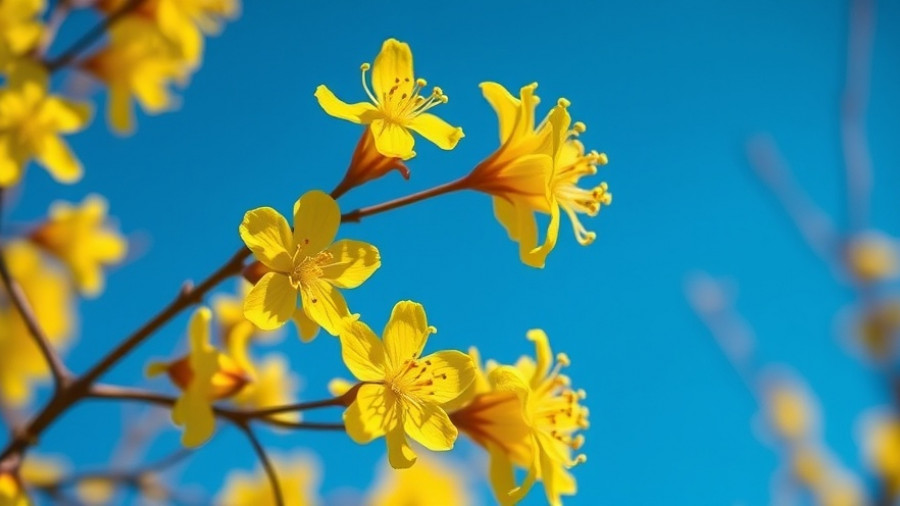
When it comes to color, winter doesn't need to be dull! One of the most delightful surprises of the season is the range of winter-blooming plants that can add vibrant spots of color. Witch hazel, with its fragrant spidery flowers from October to March, brightens gray days. Hellebores, often referred to as Christmas roses, push through the snow, offering creamy blooms when most other flowers are subdued. Even the resilient camellias and winter daphne invite hints of summer into the winter chill with their captivating blooms and fragrances—an aromatic reminder of warmer days.
3. Textural Interest with Seed Heads
Many homeowners typically cut back their gardens in fall, but consider taking a different approach: leave the seed heads and dried flowers standing. This practice creates natural sculptures that offer visual interest throughout winter. Ornamental grasses, particularly varieties like 'Karl Foerster,' can be stunning with their feathery seed heads highlighted by a dusting of snow. These dried plants not only beautify your garden but also help sustain overwintering birds, creating a delicate interaction between nature and your landscape.
4. Create Striking Hardscape Elements
In winter, hardscape features become essential, as they add structure and aesthetics to landscapes devoid of foliage. Think pathways, flagstone patios, and sturdy benches that invite respite amidst the chill. Not only do these enhancements increase functionality, but they also allow you to enjoy outdoor spaces throughout winter. Consider incorporating unique materials like slate or river rock, which can add character and charm to your yard.
5. Utilize Lighting for Enchantment
Winter afternoons end early, but that doesn’t mean your landscape has to vanish into shadows! Outdoor lighting can dramatically transform your winter garden. Installing uplights can highlight the textured bark of trees, while strings of fairy lights create a whimsical atmosphere. Pathway lights ensure safety while enhancing visibility among the ethereal beauty of a snow-laden landscape. Illumination brings magic to the nighttime scene, making your outdoor space inviting even in the frosty months.
6. Highlight the Beauty of Colorful Containers
Container gardening extends beyond the growing season and can be a creative way to maintain color through winter. Choose pots with hardy plants like pansies, ornamental cabbage, or even cold-resistant succulents. Arranging these containers near entries or along pathways invites intrigue and adds charm to your garden. Mixing textures and colors from decorative elements like pine cones or twigs can draw the eye and make each container a focal point.
7. Refresh Your Garden Beds with Colorful Mulch
You might not think of mulch as a winter element, but adding colorful mulch—be it red, gold, or black—can infuse vibrancy into the monotone landscapes typical of this season. Mulch serves a vital role beyond aesthetics: it helps insulate plant roots against freezing temperatures while retaining moisture, ensuring your landscape stays healthy.
8. Consider the Gradual Garden Approach
If you're contemplating changes for spring, winter is an ideal time to plan your garden’s evolution. By considering the gradual approach, you'll not only stay ahead of spring preparations but also have the chance to envision how transitions will play out seasonally. Early discussions with local landscape professionals can help you identify the perfect timing for your projects, ensuring that everything is in place once the thaw begins.
9. Address Snow Management
For those in areas with significant snowfall, planning snow management is crucial to protect your landscaping investments. Create designated snow storage areas, and keep driveways and walkways cleared to protect plants against heavy accumulation. Proper snow management not only safeguards your plants but also enhances the visual appeal of your winter landscape.
10. Actionable Insights for a Beautiful Winter
Winter landscaping is not a daunting task, but rather an exciting challenge that offers unique opportunities. By embracing evergreens, incorporating eye-catching blooms, and infusing color with container gardens or mulch, homeowners can create a stunning winter landscape. The key is thinking outside the box and using this quiet season to prepare for vibrant changes ahead. Don’t forget to highlight interactions with nature that can enrich your garden sense, both visually and ecologically.





Write A Comment