
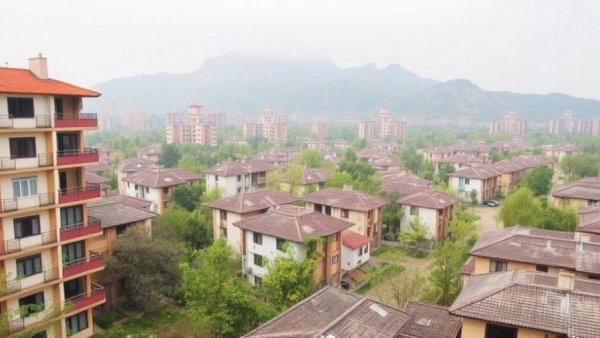
Understanding the Shift in China's Real Estate Landscape
China’s real estate market is undergoing a notable transformation as property management companies begin to abandon old residential compounds in droves. This phenomenon could be pivotal in reshaping how these properties are managed and perceived. The recent trend highlights property managers' struggle with outdated infrastructure and the substantial costs associated with maintaining these complexes. This abandonment is not just a sign of neglect but a strategic move that may signal a shift toward a new era in real estate management—often termed "Real Estate 2.0." A deeper understanding of the factors behind this shift sheds light on the evolving landscape of property management in China.
The Impacts on Property Management and Operations
For property managers and real estate professionals, understanding this shift is crucial. With old residential buildings being abandoned, the burden of managing aging assets could decrease. This change may empower property managers to pivot toward more profitable and innovative opportunities. The abandonment trend presents an opportunity for managers to explore the integration of modern asset administration practices that focus on sustainability and efficiency.
This shift may encourage the rise of innovative property management approaches, including outsourced housing administration and third-party property oversight. These strategies can alleviate the inherent risks of managing older properties and allow companies to focus on more lucrative ventures. For example, urban redevelopment initiatives could become a primary focus as cities look to rejuvenate aging neighborhoods while enhancing economic value.
Economic Opportunities in the Wake of Abandonment
The abandonment of older compounds may open avenues for new real estate operations services focusing on modern development and rehabilitation projects. Property managers can adapt to this situation by embracing income property administration that emphasizes quality and compliance. This approach not only helps streamline processes but also improves the overall living conditions for tenants. The integration of rental automation systems into these newly revitalized properties can enhance the efficiency of building operations oversight and ensure that they meet contemporary living standards.
Moreover, there is potential for collaboration between property managers and local governments. Such partnerships could facilitate new policies promoting redevelopment projects in formerly abandoned areas, creating jobs and stimulating the local economy. The engagement of community stakeholders in these projects may also help ensure a balanced approach that considers the needs of both developers and residents.
The Role of Compliance and Oversight in Future Developments
As older compounds fade from the rental market, there is a pressing need for compliance and oversight. Property management services that include regulatory compliance for rentals and tenant relations administration will become increasingly essential in maintaining tenant satisfaction and adhering to legal standards. Ensuring transparency in housing compliance services will benefit tenants by creating safer living environments while protecting landlords from potential disputes and legal challenges.
Regular compliance checks and proactive tenant engagement initiatives can assist leasing companies in navigating the complex web of housing regulations. This is particularly relevant in a time when regulatory environments are evolving swiftly, requiring property managers to stay updated on best practices in compliance.
Embracing Innovations for Long-Term Sustainability
Innovation won’t just be beneficial; it will be necessary. The future of affordable housing may depend on adopting cutting-edge real estate operations software that provides analytical insights into market demands and performance optimization. By employing comprehensive solutions like portfolio-based rental management and housing portfolio governance, property managers and owners can gain a competitive edge while ensuring a more sustainable approach to housing developments.
By investing in technology, property managers can streamline operations, saving time and reducing costs. Utilizing data analytics can help in making informed decisions about property improvements and investments, allowing management firms to adapt swiftly to market changes and tenant needs.
Conclusion: Preparing for the Future of Property Management
As China’s property management landscape evolves, stakeholders need to stay informed about emerging trends and technologies. Whether through adopting sustainable practices or optimizing operational costs, the insights gained from recent market shifts can help property managers navigate challenges and seize new opportunities. The transition away from traditional management of old buildings towards innovative strategies represents not just a challenge but a chance to reimagine the future of real estate. For property managers looking to refine their operations, investing in full service rental administration and innovative oversight strategies may be the key to thriving in this changing environment. Preparing for these upcoming changes can lead to more robust, adaptive property management practices that benefit all parties involved.






Write A Comment