Add Row
Mow Snow Digest Logo
UPDATE
Add Element
Add Element
  • Home
  • Categories
    • Seasonal Yard & Property Care
    • Tools, Equipment & Product Insights
    • DIY Projects & How-To Guides
    • Pro Services & Local Highlights
    • Industry News & Trends
    • Sustainable Landscaping & Outdoor Living
September 17.2025
3 Minutes Read

Fall vs. Spring Tree Trimming: Expert Insights for Homeowners

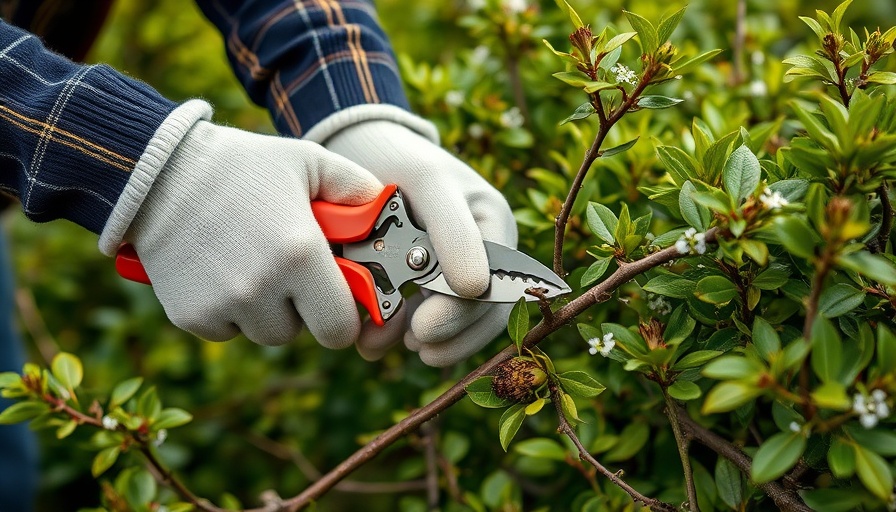
Tree trimming in Shelby Michigan: Gloved hands pruning branches.

Understanding the Right Time to Trim Your Trees

Many homeowners, property managers, and municipalities grapple with the decision of when to trim trees on their properties. This is not merely an aesthetic concern; proper tree maintenance can affect the health of your trees and even the safety of your environment. While fall may seem like a convenient time for tree work, experts often advise caution. Arborists emphasize that timing can significantly impact the health of the tree—especially in colder climates like Shelby, Michigan.

The Science Behind Tree Growth Cycles

In the fall, many trees begin a transition into dormancy, which is their natural response to dropping temperatures and shortening daylight hours. During this phase, trees focus their energy on root development rather than leaf growth.

Trimming trees in the fall can be detrimental as it may stimulate new growth at a time when the tree should be conserving energy. An analysis of tree health and growth cycles indicates that certain species may recover poorly from fall trimming. Instead, spring pruning allows for quicker recovery and encourages vigorous growth as the tree wakes up from dormancy.

Insights from Local Shelby Michigan Tree Experts

If you're in Shelby, Michigan, it's essential to consult with local tree experts before making any pruning decisions. A certified tree advisor can provide tailored advice based on specific species and local climatic conditions. Additionally, they can elucidate the potential costs involved, be it the tree service rates or the expenses for specialized services like tree removal or branch clearing.

For example, engaging a full-service tree contractor in Shelby can ensure that any work done is safe and beneficial for the long-term health of your trees. Also, local tree workers who understand the unique tree care requirements of Michigan's environment are invaluable assets.

Benefits and Risks of Fall Trimming

While there are benefits to pruning during fall—like lower visibility of cut branches and less disruption to the landscape—these must be weighed against the potential risks. Poorly timed trimming can lead to stressed trees that may become susceptible to diseases or pests.

Choosing to wait until spring also has its advantages. For example, trimming in March or April helps eliminate deadwood and can improve air circulation and sunlight absorption for the remaining foliage, promoting healthier trees.

Actionable Steps for Homeowners and Property Managers

So, how can property owners make informed decisions about their tree maintenance? Begin by scheduling a formal tree assessment with trusted, local tree care pros. Such a consultation can reveal the best practices for pruning or cutting down tall trees. It's crucial to understand not only the time of year that suits best for tree care but also the equipment and techniques that should be employed.

Invest in tree worker supplies that ensure safety for both the individual and the tree, particularly if you consider doing some of the trimming yourself. Online platforms and local stores in Shelby often offer insights into equipment like specialized climbing lines, manual saws for limbs, and advanced climbing harnesses essential for safe tree care.

Community Impact and Future Trends

Lastly, consider the broader implications of tree trimming within your community. As urban landscaping evolves, more tree care education options become available, and communities increasingly prioritize sustainable landscaping practices. This trend not only beautifies neighborhoods but also fosters a healthier environment by accepting a proper tree care role.

Learning about tree science through local study programs or online offerings can empower residents to play an active role in caring for their environment. Furthermore, tree care should be a part of municipality standards to ensure the long-game impact on community aesthetics and health.

Conclusion: Think Before You Trim

In conclusion, the question of whether to trim trees in fall or wait until spring boils down to understanding the needs of your trees, the unique climate conditions, and the advice of local experts. For those interested, I encourage you to seek out no-cost tree advice from certified professionals in Shelby, Michigan, who can guide your decisions.

By investing in better knowledge and informed practices, you safeguard not just your trees but also enhance the beauty and health of your property for years to come.

DIY Projects & How-To Guides

1 Views

Write A Comment

*
*
Related Posts All Posts
02.24.2026

Unlock the Secrets: Healthy Orchid Roots and Your Gardening Success

Update Understanding Healthy Orchid Roots If you’ve ever wondered what healthy orchid roots look like, you’re not alone! For many budding gardeners, the intricate world of orchids can be daunting, especially when trying to decipher the condition of their roots. Knowing how to distinguish between healthy and unhealthy roots is essential for most orchid enthusiasts. The vibrant nature of orchid roots can often tell a story about the overall well-being of the plant. Indicators of Healthy Orchid Roots The first sign to look for is color. Healthy orchid roots typically display a bright green when they’re hydrated. Once they dry out, they can switch to a silver or grey appearance, which is entirely normal. This change signals that your orchid might be ready for a drink; simply soak the roots for two minutes if it’s not time for regular watering. Recognizing Aerial Roots and Their Functions Most common orchids, like the Phalaenopsis, grow aerial roots, which keep them anchored securely to trees in their natural environment. These roots can be a clear indication of your orchid thriving or in need of attention. During the growing season, you’ll want to see roots reaching out and branching. Dry roots, however, indicate the plant needs water, and in some cases, you might consider trimming the dried-up sections to encourage healthy growth. Understanding Dry and Overwatered Roots As beautiful as it sounds to nurture your orchids, overwatering is the most common mistake made by gardening novices. Roots that become brown and mushy signal trouble, commonly associated with root rot – a condition that can be detrimental to your plant. If your orchid's roots resemble this, reduce watering and ensure their potting medium provides sufficient drainage. Roots’ Appearance Reflect Overall Plant Health Root color and texture should reflect the plant’s needs. When examining roots, a few fundamental colors provide insight into orchid health: Green Roots: Indicating the roots are healthy and well-watered. Silver/Grey Roots: A sign that orchids might be thirsty. Brown or Black Roots: A clear indication of root rot requiring intervention. White Roots: These roots, if plump and firm, are normal despite being buried, but any thin, string-like white roots may require attention. Tips for Healthy Orchid Maintenance Here are some takeaways to ensure your orchids flourish: Aim to water typically once a week, adjusting as needed based on humidity and light conditions. Set a reminder for your watering day! Regularly check the roots during potting to determine they’re not compacted or rotting. Use clear pots that allow sunlight to reach the roots, promoting photosynthesis. Repot when necessary, especially if the roots extend beyond the pot, indicating they need more room to grow. Transform Your Backyard with Orchids! Adding orchids to your beautification projects, such as constructing outdoor soil beds or building elevated planter boxes in Muskegon, can elevate your backyard's ambiance. With proper care, your orchids can contribute to an inviting outdoor space that impresses guests and provides a sanctuary of beauty. Being attentive to your orchid roots not only nurtures these stunning plants but can transform your gardening endeavors into a rewarding success story.

02.23.2026

Essential Tricks to Make Your Raised Beds Last Longer: Insights for Muskegon Gardeners

Update How to Make Your Raised Beds Last Longer With Smart Choices Raised bed gardening offers a convenient way to cultivate flowers and vegetables, but choosing the right materials from the outset is essential for sustainability. Wooden beds are a popular choice due to their aesthetic appeal and adaptability in various garden designs. However, not all types of wood fare well over time, and it's critical to select naturally rot-resistant varieties. Cedar and redwood are renowned for their durability, containing natural oils that repel moisture and pests. While they may cost more initially, these species can last well beyond a decade, making them a wise investment. Sealing Wooden Beds: An Extra Layer of Protection To further extend the longevity of wooden raised beds, applying a protective sealant is crucial. Moisture is the enemy of wood, leading to rot and decay. A high-quality, waterproof sealer like raw linseed oil not only safeguards the wood but is also safe for edible plants. Applying the sealant thoroughly across all surfaces, especially where the wood meets the soil, is essential. Regular maintenance, such as reapplying every couple of years, can drastically enhance the lifespan of your raised beds. Building Strong Corners: A Foundation for Success Corners provide essential support in raised bed structures, and weak joints can lead to collapse. By reinforcing corners with metal brackets, DIY gardeners can significantly enhance the durability of their garden beds. Additionally, using thicker corner posts or internal stakes adds a level of stability that is particularly beneficial during seasonal changes when soil expansion and contraction occur. Best Practices for Ground Installations Ground-level installation of raised beds can expose wood to moisture, leading to accelerated decay. To prevent this, consider elevating the beds using gravel or landscaping fabric to create a barrier between the soil and the wood. This not only promotes drainage but also reduces the chances of rot at the base. Regular inspection for pooling water and adapting drainage solutions, like redirecting rainfall, can further protect your investment. Watering Wisely: A Key to Sustainability Overwatering is a common problem that can undermine the integrity of raised beds. Ensuring proper drainage is critical—soil should not remain saturated for extended periods. Using drip irrigation systems can limit water exposure to the wood and provide timely hydration for plants. A well-draining soil mix is also beneficial, so always ensure adequate drainage holes in the bed to promote healthy root systems and prevent water from accumulating. Annual Maintenance: Keep an Eye Out Regularly inspecting your raised beds for signs of degradation can prevent minor issues from developing into major repairs. This includes checking for loose screws, signs of insect activity, or damage from the elements. A proactive approach to maintenance will secure the health of both your plants and the structure of the beds, ideal for the long-term success of a DIY gardening project. Final Thoughts By implementing these strategies for constructing and maintaining your raised beds, you're not just extending the lifespan of your gardening setup—you're also investing in the soil health and productivity of your home garden. Whether you're based in Muskegon or elsewhere, these tips will ensure your yard project thrives for years to come.

02.23.2026

Explore How GrassRoots Turf Enhances Lawn Fertilization and Weed Control Services

Update Revamping Lawn Care with Innovative Digital Solutions In a world where convenience dictates our choices, GrassRoots Turf is stepping up to enhance customer experience by launching a redesigned website tailored for homeowners and businesses alike. As the Southeast’s leading provider of lawn treatment and pest control, their digital platform represents a significant investment in customer accessibility. Serving a diverse clientele across Alabama, Georgia, Louisiana, Mississippi, North Carolina, and South Carolina, this redesign aligns perfectly with the growing demand for seamless online services. Enhancing Service Accessibility Online GrassRoots Turf’s new website highlights their commitment to providing top-notch lawn fertilization and weed control services. Customers can now easily navigate through detailed service descriptions, schedule treatments, and manage their accounts through an enhanced client portal. Josh Wise, the President of GrassRoots Turf, emphasizes that this upgrade ensures both current and prospective customers have effortless access to crucial information, thereby fostering a stronger customer relationship. This digital improvement is expected to resonate well with those seeking local solutions as it offers comprehensive coverage on core offerings such as customized fertilization schedules and mosquito control, which are essential for maintaining a healthy lawn in the Southeast region. Empowering Lawn Care Decisions with Transparency One of the standout features of the new website is the emphasis on transparency. GrassRoots Turf has integrated video-recorded treatments allowing clients to see the services performed on their property firsthand. This innovative approach not only builds trust but also informs customers about the treatment processes—important for anyone considering lawn fertilization and pest control services near them. With many homeowners aiming for a vibrant landscape, knowing how services like liquid aeration or tree and shrub care are conducted can significantly influence their lawn care decisions. The company’s commitment to customer satisfaction echoes through their Weed-Free Guarantee program, promising to tackle any pest problems with no additional charge, making it an appealing choice for those who prioritize cost-effective solutions. Signs of Growth and Commitment in Lawn Care GrassRoots Turf has expanded rapidly since its inception in 2002, transitioning from a local service provider to a robust franchise operation. With a 4.9 rating on Google and numerous industry accolades, the company is well-positioned as a trusted name in lawn care. Their professional team comprises licensed technicians who adhere to a customer-first philosophy, reinforcing their reputation within the community. This focus on quality service can be seen in their affordable pricing models, with lawn treatment programs beginning at just $28 per month, which is not only budget-friendly but also allows for adaptability based on customer needs, thus attracting DIY enthusiasts and novice lawn caretakers alike. The Future of Lawn Care in a Digital Age As GrassRoots Turf continues to innovate and expand, the implementation of user-friendly technology coupled with proactive customer service positions them favorably within the competitive lawn care market. With shifting preferences toward digital solutions, this redesigned website may set a new standard for lawn care service providers in the Southeast and beyond. By integrating technology that caters to customer convenience, GrassRoots Turf is not merely enhancing their service delivery; they are reshaping the entire customer experience for lawn care services. For homeowners, business owners, and DIY enthusiasts, this evolution of GrassRoots Turf heralds a new era in accessible and reliable lawn care solutions.

Terms of Service

Privacy Policy

Core Modal Title

Sorry, no results found

You Might Find These Articles Interesting

T
Please Check Your Email
We Will Be Following Up Shortly
*
*
*
