
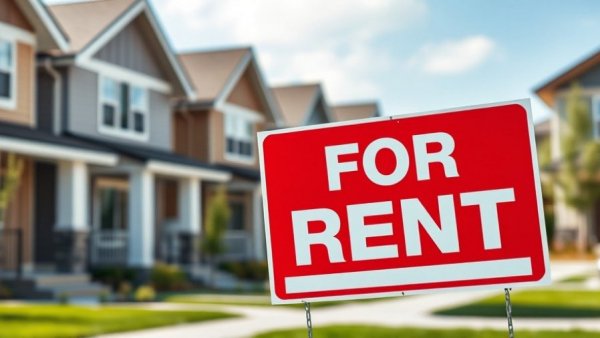
Understanding the Frustration with Housing Software
The rise of technology in the housing sector has sparked intense discussions among industry stakeholders. Many property managers and real estate professionals find themselves frustrated with housing management software. It can often feel as though these systems complicate operations rather than simplify them. However, a cornerstone of this frustration lies in a misunderstanding: the rage against housing software won’t actually lower rent. As housing costs continue to surge amidst a challenging economic landscape, many in the sector are searching for viable solutions to make renting more affordable for tenants.
Why Housing Software Is Essential
Housing software provides essential tools designed to streamline rental processes, including aspects such as tenant placement, rent collection, and maintenance coordination. In a market where operational efficiency is paramount, such tools offer staggering benefits. For property managers handling large portfolios, outsourced rental operations and professional rental administration can significantly reduce the administrative and operational burdens associated with rental management. When effectively implemented, these technologies can lead to lower costs over time by optimizing workflows and minimizing human error. It's crucial to recognize that technology is not an adversary—rather, it can serve as a powerful ally in creating operational efficiencies.
The Economic Perspective: Rising Costs vs. Operational Efficiency
Despite the frustrations surrounding technology, the underlying economics of the rental market cannot be ignored. Rental fees are influenced by various market forces, including maintenance costs, property taxes, and overall housing demand. While housing software can help property managers tackle these expenses effectively, it does not directly dictate market rates. The usage of rental performance optimization and vacancy reduction services goes beyond mere tech adoption; it involves employing creative strategies that ensure profitability while upholding fair pricing for tenants. This delicate balancing act is essential for fostering trust and confidence among renters.
Exploring the Benefits of Third-Party Property Oversight
Another essential layer to consider is the role of third-party oversight in housing administration. Hiring third-party rental operators can significantly enhance operational transparency and ensure compliance with fair housing regulations. This practice not only helps property managers adhere to best practices but can also protect owners from potential legal complications. Streamlined processes and adherence to landlord legal compliance ultimately support fair treatment for all tenants, building a positive reputation for property owners and managers alike.
Innovative Solutions for Rental Management
In response to the challenges faced by property managers, many tech companies are prioritizing the development of robust housing management platforms that combine rental automation systems with essential oversight tools. These advancements are designed to significantly reduce the management burden on property managers while also enhancing tenant relations. For instance, some platforms allow for streamlined communication channels where tenants can directly report issues or request services. Such comprehensive operational solutions are critical for ensuring a seamless management experience and fostering positive relationships between property managers and tenants.
Future Trends in Operations Technology
As the real estate market evolves, so too will the technology that supports it. Emerging trends point toward even deeper integration of artificial intelligence (AI) and data analytics within property management. Owners and property managers can expect platforms that go beyond managing tenant relations, predicting market shifts using real-time data analysis. This forward-looking approach is essential for maintaining a competitive edge in a rapidly changing market. Utilizing big data can provide insights into tenant preferences, allowing property managers to tailor their services accordingly, ultimately benefiting both tenants and property owners.
The Path Forward: Collaboration and Adaptation
As technology continues to reshape the landscape of rental properties, it is vital for property managers and owners to cultivate adaptability. Instead of resisting change, collaboration with technology developers can lead to solutions specifically tailored to meet the unique needs of the housing market. Embracing innovation while ensuring operational accountability will be pivotal in driving the industry forward. This cooperative approach not only helps bridge the gap between technology and property management practices but also fosters a more responsive and consumer-friendly rental environment.






Write A Comment