
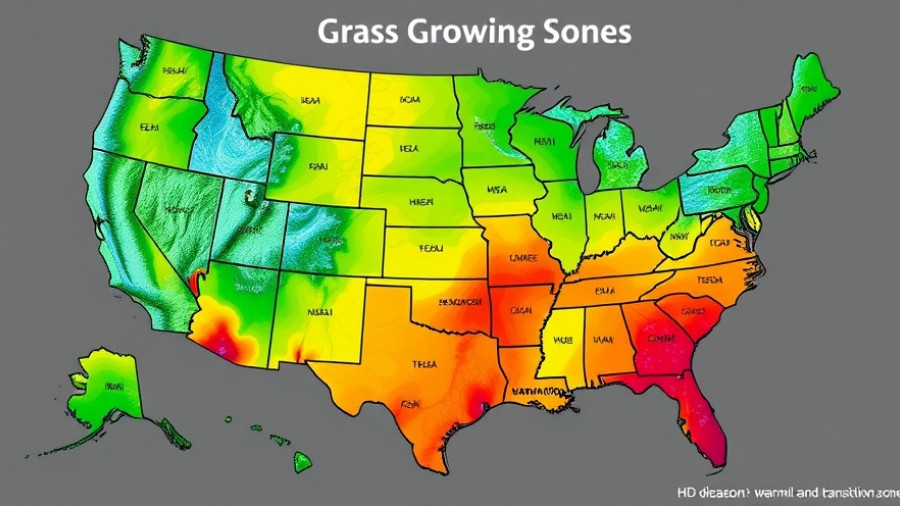
Understanding Grass Seed Germination: Timelines and Types
For homeowners eager to cultivate vibrant lawns, understanding how long grass seed takes to grow is essential. Typically, germination occurs between 3 to 30 days, influenced by factors including grass type, climate, and soil conditions. This diving into the germination timelines of both warm- and cool-season grasses can establish the groundwork for a lush landscape.
Exploring Grass Types: Germination Rates
Different species of grass germinate at varying rates. For instance, perennial ryegrass shines as the fastest, germinating in as little as 3 days, making it a popular choice for quick patches and overseeding. On the other hand, varieties like Bahia and bluegrass may take up to 30 days to sprout, extending your wait for that green cover.
Here's a quick rundown of the germination times for common grass types:
- Bahiagrass: 14 to 30 days
- Bermudagrass: 10 to 30 days
- Kentucky bluegrass: 14 to 30 days
- Centipedegrass: 10 to 21 days
- Perennial ryegrass: 3 to 10 days
Understanding these rates helps in planning the optimal time for grass planting, depending on the type most suitable for your local climate.
Key Factors Affecting Grass Seed Growth
Besides the grass type, several critical factors influence the germination of your seeds:
- Moisture: Soil hydration is crucial. Grass seeds require consistent moisture to activate germination processes. Make sure to water adequately without creating puddles.
- Temperature: Different seed types prefer different temperature ranges. For example, cool-season grasses germinate best between 60°F and 75°F, while warm-season types thrive in higher temperatures.
- Soil Quality: The soil should be nutrient-rich and well-aerated. Compacted soil lacks the oxygen essential for seedling growth.
- Light: Different seeds have differing light requirements. For instance, some grass types must be sown at specific depths to reach adequate light levels during germination.
Making adjustments to these variables can promote faster sprouting and a healthier lawn overall.
Tips for Accelerating Grass Seed Germination
Homeowners can employ several strategies to help jumpstart grass seed growth:
Pre-Germination Techniques
Before planting, consider priming your grass seeds. Soaking seeds in water for a few days can start the germination process, as moisture helps break down seed coats. Another effective method involves wrapping seeds in a damp paper towel and placing them in a warm area, aiding germination by mimicking ideal conditions.
Choosing the Right Time and Location
Timing does matter! Planting cool-season grasses in the fall when temperatures are dropping or warm-season grasses in spring when temperatures rise can lead to better outcomes. Furthermore, selecting the right area and ensuring it matches the sunlight needs of specific grass types can enhance growth.
Investing in Quality Seeds
Not all seeds are equal. Look for high-quality grass seed that guarantees a germination rate of 90%-95%. Investing in reputable brands ensures better survival of your plants and a more vibrant lawn.
Common Misconceptions about Grass Seed Growth
There are plenty of myths about grass planting that can mislead gardeners. For instance, many believe that all grass grows at the same rate or that they can water their seeds excessively to speed growth. Understanding the distinct needs of each grass type is essential for successful lawn cultivation and maintenance.
Call to Action: Start Your Lawn Journey Today!
With the right knowledge about grass seed germination, homeowners can embark on a rewarding lawn care journey. Whether you’re preparing for a new lawn or simply sprucing up your existing space, these tips can ensure success. Don't hesitate to consult with landscaping professionals to get tailored advice for your specific needs, ensuring the best possible start for your new grass!





Write A Comment