Add Row
UPDATE
Add Element
Add Element
  • Home
  • Categories
    • Seasonal Yard & Property Care
    • Tools, Equipment & Product Insights
    • DIY Projects & How-To Guides
    • Pro Services & Local Highlights
    • Industry News & Trends
    • Sustainable Landscaping & Outdoor Living
November 04.2025
3 Minutes Read

Protect Your Lawn This Winter: Avoid These 8 Common Mistakes

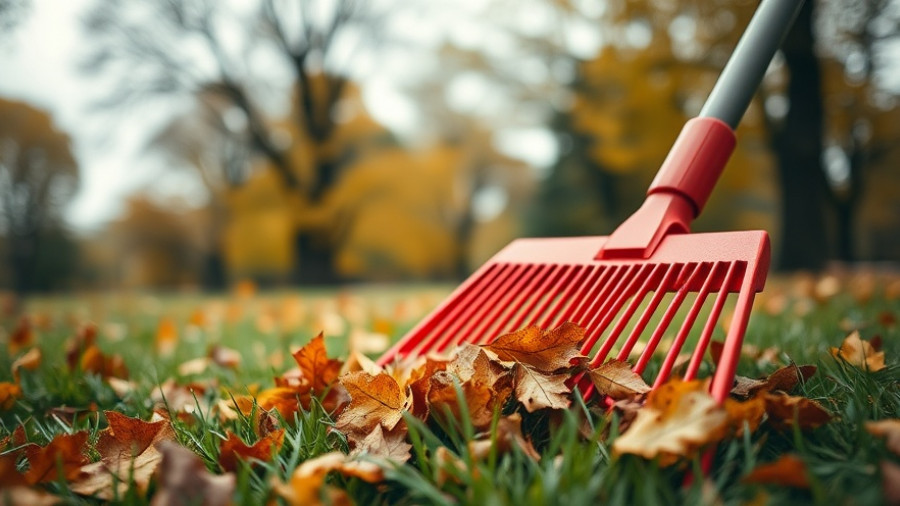
Autumn leaves being raked on grass, illustrating winter lawn care mistakes.

Winter Lawn Care: Essential Tips to Ensure Growth in Spring

As the cold months set in, it's easy to think that our lawns can take a break, but that couldn’t be further from the truth. In fact, winter dormancy doesn’t mean neglect; it’s a crucial time for proactive care to set the stage for a lush, green lawn come spring. Many homeowners unknowingly fall into common pitfalls that could damage their prized greens. Here, we’ll explore the most frequent winter lawn care mistakes and what each homeowner can do to avoid them.

1. Mowing Too Short: Understanding Grass Heights

One of the biggest mistakes homeowners make before winter is cutting grass too short. Grass that is mowed too low can lead to weakened roots and stress. Ideal recommendations suggest maintaining a height of 2.5 to 3.5 inches for cool-season grasses. This length not only protects the crowns from the harsh winter elements but also allows the grass to photosynthesize, keeping it healthy throughout the chilly months.

2. Fertilization Failures: Timing and Type Matter

Another common misstep is fertilizing too late in the season or using the wrong type of fertilizer. Homeowners should opt for a winterizing fertilizer with a higher potassium content during late fall for cool-season grasses. This approach supports root development when the grass emerges from dormancy in spring. Experts recommend that at least half of this application should be slow-release to ensure prolonged nutrient availability without encouraging undue growth before the ground freezes.

3. Removing Leaves and Debris: A Must for Winter Health

Many opt to leave fallen leaves on their lawns throughout winter, but this can block sunlight and suffocate grass underneath. A simple clearing of leaves can vastly improve air circulation and reduce the risk of mold or disease. Experts suggest mulching leaves if you aren’t raking them up, provided you can still see the grass blades underneath. If layers are too thick, it’s time to take action.

4. Walking on Frozen Grass: The Silent Damage

Though it may seem trivial, walking on frozen grass can cause irreversible harm. The blades can break or crush underfoot, creating unsightly patches that won't recover until spring. To mitigate this, homeowners should minimize foot traffic on lawns during frosty conditions. Using stepping stones or traversing along pathways can help maintain lawn integrity while allowing access.

5. Keeping an Eye on Snow Mold: Prevention Tactics

Snow mold is a prevalent concern during winter, often sprouting unnoticed under snow cover. The two common types of snow mold can wreak havoc on turf health. Prevention efforts should focus on removing debris and ensuring proper air circulation by trimming overhanging branches. It’s crucial to avoid late-season nitrogen applications, which can lead to increased susceptibility to diseases.

6. Caution with Deicers: Protect Your Lawn

While deicers are essential for keeping walkways safe, they can be detrimental to grass health. Overuse can lead to root damage and long-term soil corruption. A mindful application and flushing the grass with water in warmer weather can help mitigate potential harm from salt damage.

7. Preparing Irrigation Systems: Don’t Skip This Step

Proper winterization of irrigation systems is crucial to avoid costly repairs. Homeowners often forget to drain their sprinkler systems, risking pipe bursts from freezing water. It’s essential to follow a comprehensive checklist to insulate above-ground components and ensure all water is removed from the pipes.

8. Balancing Watering: The Goldilocks Approach

Finding the right balance in winter watering can be challenging. While dormant grass requires less water, it still needs moisture to prevent drought stress. Homeowners should keep an eye on weather conditions, watering once or twice a month during unusually dry periods, ensuring water is applied only when temperatures exceed 40 degrees F.

The Long-Term Benefits of Proactive Lawn Care

By addressing these common winter lawn care mistakes, homeowners can ensure a healthier lawn that bounces back robustly once spring arrives. Every step taken now—from proper mowing and fertilization to snow mold prevention—contributes to the vitality and appearance of the lawn in the coming seasons. With the right practices in place, you won't just hope for a healthy lawn; you'll set the stage for one.

If all of this sounds overwhelming, consider connecting with a local lawn care professional. Services like LawnStarter can make winterizing your lawn stress-free, ensuring proper techniques are applied for both care and longevity.

Sustainable Landscaping & Outdoor Living

Write A Comment

*
*
Related Posts All Posts
12.06.2025

When Lawn Care Fails: A Neighbor's Fertilization Blunder Sparks Discussion

Update When Lawn Care Goes Wrong: A Neighborly Reminder In an online post that has caught the attention of homeowners everywhere, a resident shared side-by-side photos illustrating the stark differences between two neighboring lawns. About a year ago, the poster’s neighbor attempted to fertilize their lawn but made a critical mistake by not properly spacing the passes of their broadcast spreader. The result? A chaotic patchwork of green and brown stripes that has drawn both laughter and sympathy from viewers on Reddit. The High Stakes of Lawn Maintenance For many homeowners, maintaining a pristine lawn is a point of pride, but it also comes with its own set of challenges. Recent surveys reveal interesting trends among homeowners, with about 23% dedicating two to three hours each week to lawn care. This diligence can lead to healthier green spaces, but missteps can result in embarrassing botanical blunders—like haircuts gone wrong. The particular mishap showcased in the viral photos highlights how important knowledge is in maintaining a yard's aesthetics and health for the whole community. The Importance of Native Plants The situation serves as a reminder that traditional lawn care practices often favor non-native plants, which can struggle in localized climates. Considering grass types like Kentucky bluegrass, which requires excessive upkeep, many homeowners might be better served by exploring native species that are more resilient and environmentally friendly. Rewilding, or integrating local flora into lawns, can not only enhance the ecosystem but simplify maintenance. A Sustainable Approach to Lawn Care Moving forward, the modern homeowner can rethink lawn care practices to embrace sustainable alternatives. Organic lawn care, including a focus on native plants and reduced chemical usage, can foster healthier green spaces while supporting local wildlife. A more relaxed mowing schedule or the incorporation of groundcovers can contribute to a more aesthetically pleasing and ecological balance. What's Next for Lawn Enthusiasts? This light-hearted moment captured on Reddit highlights an important conversation about the environmental impact of our lawns. The aftermath of mismanaged patches encourages a rethink. Are we willing to shift from monoculture lawns to richer ecosystems that enhance our neighborhoods? With the right knowledge and commitment, homeowners can turn their yards into lush, diverse spaces that not only look good but also support the greater environment. So, for anyone looking for lawn care solutions in Shelby, MI, consider embracing techniques that ultimately contribute to a greener planet. If you're ready to make a change, engage with local landscaping services that prioritize sustainable practices.

12.06.2025

From Lawn Care Failures to Flourishing Grasses: DIY Tips and Pro Help

Update The Great Lawn Dilemma: Why Your Neighbors' Yards MatterFor homeowners, maintaining a beautiful lawn is often considered a mark of pride, as well as a social necessity. As illustrated in a recent viral moment on social media, one neighbor’s lawn featured starkly contrasting results, leading to reflections on the challenges of lawn care. While some residents nurture their grass into lively green expanses, others struggle with patchiness and discoloration that starkly displays their efforts—or lack thereof—especially when juxtaposed side by side.Understanding Lawn Care: A Lesson from Two YardsThe narrative began with a homeowner revealing the stark difference between their grass and that of their neighbor on Reddit. One lawn appeared vibrant and well-kept, while the other was marked by an uneven application of fertilizer, leaving stripes of contrasting colors. The humor and relatability of this visual dilemma reveal a common frustration shared among suburban and rural dwellers. A quick poll by GreenPal showed that individuals can spend significant time—often three hours each week—tending to their lawns, a testament to the attention and care these spaces require.Environmental Impact of Lawns: Should We Reconsider?The satisfaction derived from a manicured lawn often comes with environmental costs. The Ecological Landscape Alliance highlights that approximately 2% of the U.S. is devoted to turfgrass, a nonnative species that can wreak havoc on local ecosystems. New Englanders, in particular, face challenges that arise from using such lawns, which demand constant resources and maintenance. As observed in some online discussions, transitioning to native plants provides numerous ecological benefits while minimizing upkeep costs, creating a win-win situation for both the homeowner and the environment.Practices for a Healthier Lawn: Beyond MonocultureThe debate surrounding monoculture lawns versus diverse ecosystems brings to light alternative solutions like rewilding that homeowners can consider. For those looking to achieve stunning landscapes while enhancing local biodiversity, incorporating native flora can be a game changer. Native plants require less maintenance, resist local pests, and play an essential role in supporting pollinators in the ecosystem.A Call for Professional Help?For homeowners overwhelmed by the prospect of maintaining their lawns or trying to convert to a more sustainable option, local professional lawn care services in Shelby, MI, stand ready to assist. From aeration and overseeding to organic lawn treatment, these experts can help homeowners create sustainable green spaces, ensuring that no lawn looks like a before-and-after snapshot left to chance.Final Thoughts: Managing Expectations in Lawn CareUltimately, the experience captured in the viral post serves as a humorous reminder that lawn care is often a reflection of our time and energy investment. While some neighbors may visually stand out for all the wrong reasons, it’s essential to remember that there are options available for achieving the lush green lawns many desire. Whether through personal effort, the adoption of sustainable practices, or enlisting the expertise of local lawn care services, great lawns are achievable.

12.04.2025

Explore America’s Most Relaxed Cities in 2026: A Search for Calm

Update Discover America’s Calmest Cities: 2026’s Ranking As our lives grow increasingly hectic, the quest for tranquility becomes more important. Recent studies reveal that certain cities stand out for their ability to foster a relaxed atmosphere. In 2026, LawnStarter unveiled its ranking of America’s most relaxed cities based on seven comprehensive categories like mental well-being, sleep quality, commute times, and access to outdoor and wellness amenities. As we dive into this list, homeowners and property managers should pay attention to the serene environments that can truly contribute to personal well-being. Surfing the Calm Waves of San Jose Taking the top spot among large cities, San Jose, California, shines with an overall score of 62.04. With an impressive ranking of 3rd in mental well-being and 1st in physical health, this Silicon Valley gem impressively combines relaxation with opportunity. The plentiful parks and green spaces serve not only as gathering spots but also contribute significantly to the residents' overall quality of life. What makes San Jose particularly inviting is its relatively low traffic congestion, allowing for stress-free commutes and a focus on personal wellness. Why San Francisco is More Than Just a Tourist Spot Close on San Jose’s heels is San Francisco, with an overall score of 61.15. The city’s idyllic lifestyle is supported by its access to wellness centers and recreational options, earning it a 1st place ranking in mental well-being. While its bustling tourist attractions are well known, locals find their escape in the sprawling parks and waterfront views, demonstrating that relaxation exists amidst the urban hustle. The Seattle Serenity Seattle rounds out the top three with an overall score of 60.67. With an emphasis on green infrastructure and ample recreational options, Seattle promotes a lifestyle that celebrates both personal wellness and environmental stewardship. Interestingly, while it ranks lower in terms of work stressors, the city's beautiful landscapes and numerous outdoor activities encourage residents to unwind and explore. Midsize Cities Foster Ultimate Calm Among midsize cities, Sunnyvale, California, tops the list with a score of 64.64. Its proximity to major tech companies offers residents career opportunities while also emphasizing wellness through community parks and amenities. Following Sunnyvale is Naperville, Illinois, which excels in financial well-being. This community-centric city has numerous leisure activities and parks, promoting personal connections and interactions. Maintaining Calm in Smaller Cities Lastly, in the small city category, we find cities like Carmel, Indiana, emphasizing their charm and tranquil environment. While smaller populations often mean fewer amenities, the close-knit communities and focus on local engagement create a relaxing atmosphere that resonates with many homeowners and landowners. The Importance of Green Spaces As we discuss the characteristics of relaxed cities, it is clear that access to green spaces plays a critical role. Cities like Seattle and San Francisco have prioritized parks and outdoor activities, which contribute significantly to mental health. Transitioning to lifestyles that appreciate and promote outdoor interactions can enhance personal well-being. Practical Tips for Finding Calm For homeowners looking to create their oasis, focusing on landscaping and outdoor features is essential. Investing in lawn care and maintaining greenery not only beautifies properties but also supports mental and physical health. Consider tools and equipment that promote effective yard management. Up-to-date mowers, blowers, and other landscaping tools can ease the maintenance process, allowing you to enjoy a relaxing environment. Conclusion: Explore the Relaxing Life In conclusion, America’s most relaxed cities offer helpful insights into creating a calm-centered lifestyle. For homeowners and property managers, understanding the elements that contribute to relaxation can inspire better choices. Whether it's cultivating green spaces or exploring local wellness opportunities, these cities show us that tranquility is achievable. So, which city do you want to explore for a little more calm? The choices are plentiful, and the benefits are clear.

Terms of Service

Privacy Policy

Core Modal Title

Sorry, no results found

You Might Find These Articles Interesting

T
Please Check Your Email
We Will Be Following Up Shortly
*
*
*