Add Row
Mow Snow Digest Logo
UPDATE
Add Element
Add Element
  • Home
  • Categories
    • Seasonal Yard & Property Care
    • Tools, Equipment & Product Insights
    • DIY Projects & How-To Guides
    • Pro Services & Local Highlights
    • Industry News & Trends
    • Sustainable Landscaping & Outdoor Living
September 20.2025
3 Minutes Read

Transform Your Garden This Fall: Essential Composting Tips You Need

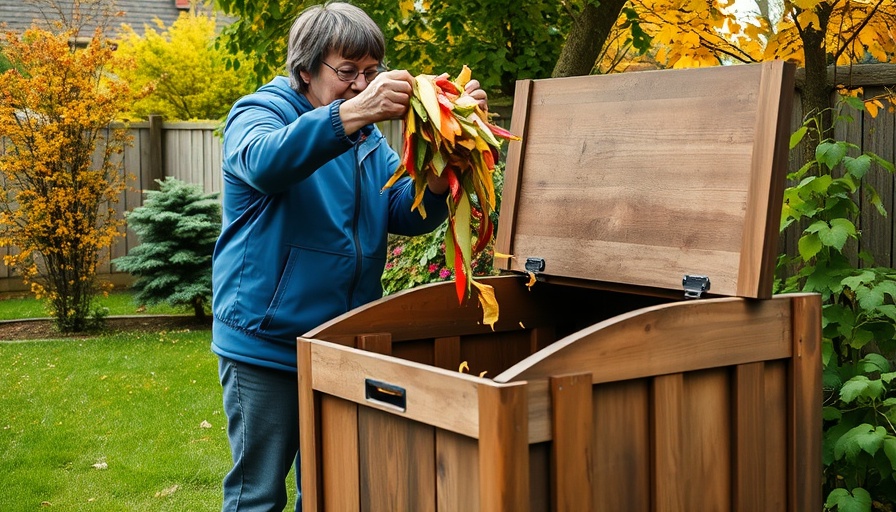
Person composting in fall garden, adding vegetable scraps to compost bin.

The Essence of Fall Composting: A Guide to Rich Soil

Fall is upon us, bringing with it a bounty of leaves, plant debris, and an ideal climate for composting. As the garden prepares for its winter dormancy, now is an excellent time to focus on composting, a sustainable practice that benefits both our environment and gardens. With microbes still active and fresh organic matter available, let's explore effective composting techniques to ensure a successful gardening season ahead.

Why Composting Matters

If each person embraced composting, the amount of waste diverted from landfills would be staggering. Think of all the apple cores, vegetable scraps, and fallen leaves that have potential to enrich the soil instead of adding to waste. Composting not only helps in waste reduction, but it can also save you money in the long run. Instead of buying expensive soil amendments and fertilizers, you can utilize nutrient-rich compost produced right in your backyard. It's a win-win for both your wallet and the planet.

Fall Composting Strategies to Implement Now

Here are some actionable fall composting strategies tailored to the needs of your outdoor space:

1. Turn Your Piles

As the weather cools, your existing compost piles may need a little TLC. By turning your compost, you introduce air into the mix—essential for decomposition. Check for dryness, and ensure moisture levels are optimal. Soggy or overly dry piles can slow down the composting process, so relocating your materials to a covered spot when necessary is crucial.

2. Harvest Ready Compost

As we move deeper into fall, it’s time to reap the rewards of your composting efforts. Look for crumbly, dark, earthy material that’s moist but not wet. This compost is prime for gardening use. Spread it in containers, use it as mulch, or enrich raised beds with it. For instance, mixing your compost with perlite and coco coir can result in an ideal soil mix for various plants.

3. Multi-Purpose Applications

Compost can serve multiple roles in your garden. As a fertilizer, it nourishes your plants, while also acting as a mulch that suppresses weeds and retains moisture. When spreading compost on lawns, a thin layer works best; utilize a hand spreader or rake for even distribution. Many DIY enthusiasts in Muskegon, for example, can take it a step further by incorporating compost into homemade soil mixes for outdoor planting boxes or elevated planters.

Future Trends: The Rise of Sustainable Gardening

The importance of composting goes beyond just enhancing your garden. With the growing awareness of sustainable practices, more homeowners are seeking to implement methods that benefit both their gardens and the environment. Projects such as building composting barrels or designing backyard utility houses are becoming popular as homeowners invest in self-sufficiency. Incorporating these practices can help create a thriving ecosystem right at home.

Addressing Common Misconceptions About Composting

Many believe that composting is complicated or requires specific materials. In reality, virtually all organic waste can be composted. From kitchen scraps to fallen leaves, most organic matter can contribute to a healthy compost pile. If you're a DIY enthusiast in Muskegon, you can turn routine yard work into productive gardening practices.

Conclusion

As the fall season progresses, it's time to think about composting as an essential part of your gardening routine. By embracing simple composting techniques and utilizing the rich, organic material it produces, you can foster a more productive garden and reduce environmental impact. Whether you're an experienced gardener or a curious beginner, composting is a rewarding practice that everyone can share and contribute to. Now, let's work together towards greener gardens and a healthier planet!

If you're inspired by these fall composting tips, consider starting your own backyard projects like building composting barrels or designing outdoor soil beds. Together, we can revamp our outdoor spaces and create beautiful, sustainable gardens for future generations.

DIY Projects & How-To Guides

5 Views

Write A Comment

*
*
Please complete the captcha to submit your comment.
Related Posts All Posts
03.16.2026

Start a Backyard Planting Box: Essential Tomato Seeds for March

Update Kick Off Your Gardening Season with Tomato Seeds March marks the perfect time to start your tomato garden, especially if you’re eager to get ahead of the growing season. For those living in colder climates, beginning your seeds indoors not only gives you a head start but also enhances your chances for a healthy harvest come summer. Tomato seeds are a favorite among gardeners for their versatility and rich flavors, making them a top choice when planning your spring garden. What Makes March Ideal for Sowing Tomato Seeds? The general rule of thumb for planting tomatoes falls about 6-8 weeks before the last frost date. This means that March is prime time for many regions to start sowing. Creating an optimal environment for germination is crucial—tomatoes thrive under consistent warmth, ideally at temperatures ranging from 70°F to 90°F. Using a heat mat can significantly boost germination rates and set your plants up for success. Choosing the Right Tomato Varieties With numerous tomato varieties available, choosing the right ones can be daunting. Here are a few standout selections that have captured the hearts of gardeners: Sun Gold Cherry Tomato: Known for their vibrant tangerine color and unmatched sweetness, these cherries are great for snacking directly off the vine. With indeterminate growth, expect these to continuously produce as the season progresses. Cherokee Purple Tomato: A culinary delight, these dusky tomatoes have a rich, complex flavor. They boast a fascinating history, passing through generations from the Cherokee Nation. Glacier Tomato: Ideal for cooler climates, this variety produces fruit early. Compact and hardy, they can thrive even when conditions aren’t perfect, making them reliable for less predictable growing seasons. San Marzano Tomato: Esteemed for its flavor, this tomato excels in sauces. Its pasty texture makes it a favorite among culinary enthusiasts. Each of these varieties brings something unique to the table, whether you’re looking for sweetness, history, reliability, or culinary excellence. Best Practices for Starting Tomato Seeds To ensure your tomato plants flourish: Light: Once your seedlings emerge, position them under strong light to prevent them from becoming leggy. Transplanting: When your tomato seedlings develop their first true leaves, it’s time to transplant them. Burying the stem deeper during this phase will allow for a sturdier root system. Hardening Off: As the final frost date approaches, slowly acclimate your indoor seedlings to outdoor conditions to prepare them for transplanting. The Joy of Gardening in Muskegon For Muskegon residents, starting a backyard planting box or constructing outdoor soil beds can be incredibly rewarding. As you kick off your gardening endeavors, consider local resources and tips to maximize your success. Exploring DIY projects like building elevated planter boxes or designing functional outdoor spaces such as utility houses or sheds can enhance your gardening experience significantly. These efforts make your yard not only productive but a beautiful spot for relaxation and gatherings. Incorporating unique projects, such as building composting barrels or investing in automated watering systems, can streamline your gardening, giving you more time to enjoy your harvest. Keep in mind that planning your garden layout meticulously using planting rows can make a significant difference in growth rates and yield. Conclusion: Your Path to a Vibrant Garden March is the gateway to a productive gardening season. Starting your tomato seeds now means fresh, home-grown produce awaits you in just a few months. Remember to keep track of your local frost dates, and don't hesitate to adapt your choices and methods based on your personal gardening space and climate conditions. For more tips on maximizing your gardening journey, including projects like a leaf cleanup machine or building a rustic gate for your outdoor area, dive deeper into Muskegon’s resources and your community as you cultivate your green thumb this season.

03.16.2026

Brighten Your Lawn: Top Iceland Poppy Varieties to Plant This Spring

Update Explore the Beauty of Iceland PoppiesIceland poppies (Oreomecon nudicaulis) are a spectacular addition to any garden, known for their vibrant colors and unique textures. Contrary to their name, these flowers are not native to Iceland but instead thrive in the cold regions of the Yukon and Asia. Whether you have a colorful garden in the Pacific Northwest or a lovely patch in sunny Muskegon, you can cultivate these stunning perennials. Their delicate yet resilient petals bloom from spring through early summer, creating a mesmerizing display of color that attracts bees and butterflies. Five Marvelous Iceland Poppy VarietiesLet's take a closer look at five Iceland poppy varieties that are especially captivating for any garden enthusiast: Nudicaule BlendThe 'Nudicaule Blend' showcases a stunning spectrum of orange, pale pink, yellow, and white blooms, making it ideal for mass planting. These flowers thrive in full sun to partial shade, reaching heights of 1-2 feet, and are hardy in zones 2-8. In addition to their colorful display, these poppies are drought tolerant, which will help reduce the amount of water you need in your Muskegon garden. Champagne Bubbles'Champagne Bubbles' are F1 hybrids that boast white, pink, yellow, and citrus blooms, often reaching up to five inches in diameter. This variety thrives in full sun and grows well in hardiness zones 4-8. The crinkly petals provide texture and are a favorite with pollinators, making them perfect for borders or drifts in your outdoor space. Colibri Dolce VitaFor those who prefer pastel colors, 'Colibri Dolce Vita' offers silky petals in soft hues. Growing to heights of 1-2 feet in hardiness zones 3-7, this blend creates an ethereal atmosphere in gardens and is also great for cut arrangements, making it a truly versatile choice. Colibri SalmonatoThis delightful variety offers yellow to peachy-apricot blooms with a citrus scent and a dense appearance, with frilled petals that create a charming look in gardens. This variety will flourish in zones 4–8, adding much-needed vibrancy to your home landscape. Spring Fever®For those seeking vibrant flowers that nod toward wildflowers, the 'Spring Fever®' series features petals in vivid colors, making them irresistible to pollinators. These poppies grow between 6-10 inches tall (15-25 cm) and thrive in zones 3-7, showcasing the best of the Iceland poppy family. Planting Perfection: Best Practices for Iceland PoppiesTo successfully cultivate Iceland poppies in your Muskegon garden, plant the seeds four to six weeks before your last frost date, pressing them gently into the soil surface. If starting indoors, use biodegradable pots to minimize root disturbance during transplantation. The optimal soil temperature for germination lies between 50-60°F (10-16°C), and with patience, you can expect seeds to emerge within two weeks. Maintaining healthy watering practices and considering automated watering hacks can ensure they thrive. Creating a Stunning Garden DisplayIceland poppies are not just beautiful flowers; they can also add depth and character to your outdoor living space. Consider combining them with plants that support their growth while also enhancing aesthetic appeal—using elements like hand-crafted storage sheds and outdoor soil beds will complement the beauty of these flowers. With their striking colors and ease of growth, Iceland poppies provide you with the opportunity to create a stunning garden display, transforming your backyard into a serene getaway. Next Steps for Your GardenAs spring approaches, it’s the perfect time to start planning your Iceland poppy garden. From designing a backyard utility house to crafting elevated planter boxes, a well-thought-out plan will lead to a flourishing garden. Don't forget, sharing your garden journey can inspire others in Muskegon to grow their fruit and floral paradise!

03.16.2026

Unlock Big Savings: Grow Your Own Food on a Budget!

Update Feeding Your Family on a Budget: Grow Your Own! In today's economy, marked by rising grocery prices and an increased focus on sustainability, growing your own food at home has become a vital strategy for many families. While starting a garden may seem daunting, planning can lead to significant savings, especially when you choose the right plants. Based on insights from gardening experts, here are some of the best garden crops that can help you feed your family while staying on a budget. Why Grow Your Own Food? Many families are beginning to realize the tremendous benefits of a backyard garden. Not only does home gardening allow you to produce fresh, organic food right at your doorstep, but it also offers remarkable savings on grocery bills. In fact, some families have claimed to cut their grocery costs by over $1,000 per year simply by growing their own vegetables! The key, however, lies in knowing which crops can deliver the most value. Top Budget-Friendly Garden Plants Here are some standout crops that you should consider introducing to your home garden: Ace 55 Bush Tomato: This versatile tomato variety is perfect for families looking for flavor and yield. A single plant can produce between 10 to 30 pounds of tomatoes, making it a great value. Plus, they're perfect for everything from salsa to salads. Rouge d’Hiver Romaine Lettuce: Lettuce is another easy-to-grow option that allows you to harvest only what you need. This results in less waste and fresher meals. Plus, growing your own lettuce is typically much cheaper than buying bags from the store. Zucchini: Often producing a bounty from just a couple of plants, zucchini is a wonderful choice for gardeners. It can be used in countless recipes or preserved for later use, ensuring that you won’t go hungry when the season is over. Herbs: Fresh herbs like basil, parsley, and rosemary may seem inexpensive at first but can add up if you purchase them regularly. Growing them at home not only cuts costs but also enhances your culinary creations with fresh flavors. Butternut Squash: This winter squash is not only nutritious but also stores well for long periods. It is perfect for making soups or whipping up meals during the colder months. Considerations for Small Spaces For those in Muskegon, or regions where space is limited, constructing outdoor soil beds or elevated planter boxes can maximize yield without compromising on garden space. Many DIY enthusiasts have repurposed old wooden pallets or reclaimed materials to create unique gardening solutions that save money. Utilizing Your Resources Don't let limited funds hold you back from creating your dream garden. Start with basic gardening supplies you may already have at home, and look for community resources. For instance, you can find shared compost facilities in local recycling centers, ensuring that your soil is nutrient-rich without emptying your wallet. Future Trends in Home Gardening As the movement towards sustainable living continues to grow, we can expect to see an increase in DIY gardening projects and a focus on maximizing yields for minimal costs. Community gardening initiatives are also likely to play a significant role in keeping our grocery expenses down. Take Action Today! Now is the perfect time to start on your gardening journey. Whether you’re constructing a simple planting box or experimenting with automated watering hacks, every step counts toward providing delicious, fresh meals for your family. Remember, investing in a backyard garden is not just about cost-saving; it's also about nurturing your family's well-being and enjoying the natural world around you. In Conclusion Feeding your family on a budget has never been easier when you take the plunge into home gardening. By choosing the right plants and utilizing all available resources, you can create a sustainable cycle of food production that benefits both your wallet and your health. Start planning your garden today, so you can enjoy the numerous rewards it brings.

Terms of Service

Privacy Policy

Core Modal Title

Sorry, no results found

You Might Find These Articles Interesting

T
Please Check Your Email
We Will Be Following Up Shortly
*
*
*
