Add Row
UPDATE
Add Element
Add Element
  • Home
  • Categories
    • Seasonal Yard & Property Care
    • Tools, Equipment & Product Insights
    • DIY Projects & How-To Guides
    • Pro Services & Local Highlights
    • Industry News & Trends
    • Sustainable Landscaping & Outdoor Living
September 06.2025
2 Minutes Read

Transform Your Lawn: Master Overseeding Without Aerating

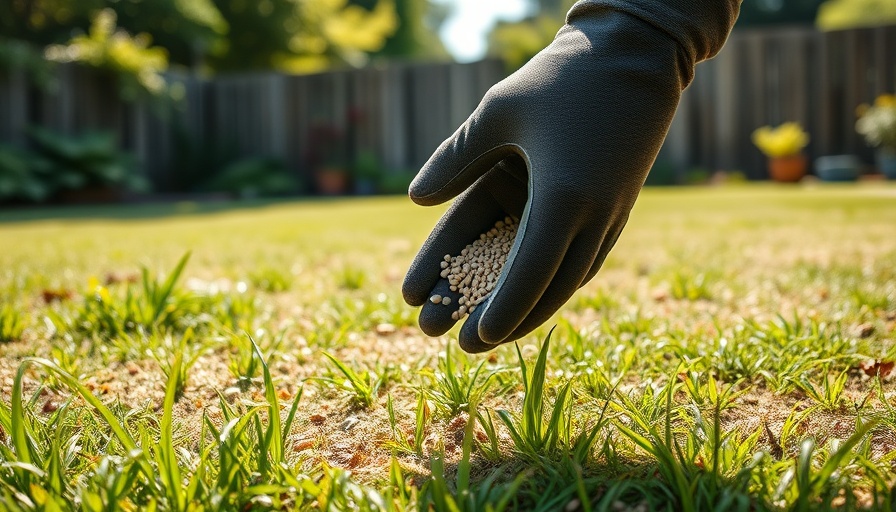
Gloved hand spreading seeds for overseeding a lawn without aerating.

Achieving a Lush Lawn: Why Overseeding Without Aerating is Beneficial

Maintaining a beautiful lawn is a common goal among homeowners, especially as we approach the changing seasons. For those looking to thicken their grassy carpets without the extensive process of aeration, overseeding can be an effective solution. By understanding the benefits of overseeding and employing the correct techniques, you can ensure that your lawn flourishes. In this article, we delve into how to overseed your lawn without aerating, providing fruitful insights and practical tips to make your green space thrive.

Selecting the Right Grass Seed

The foundation of a successful overseeding project is high-quality grass seed. As John Fech, an expert from the University of Nebraska-Lincoln suggests, it's vital to choose seeds that guarantee a high germination rate—ideally at least 85%—and contain no weed or crop seeds. Consider sticking with the same species you currently have to maintain uniformity or experimenting with varieties that are disease-resistant for added resilience.

Importance of Yard Preparation

Preparing your lawn for overseeding is crucial. Start with cleaning the yard of debris like rocks or fallen leaves, which can block proper seed-to-soil contact. This simple step greatly enhances your chances of successful germination, resulting in faster, thicker grass growth.

Mowing and Dethatching: Key Steps for Success

Mowing your lawn low and dethatching are two essential tasks that improve the overseeding outcome. Mowing at a lower height allows the seeds to reach the soil more effectively, while dethatching helps to remove any excess thatch that can impede growth. This combination allows your new seeds to settle in better, ensuring they have optimal conditions for sprouting.

The Role of Compost in Seed Germination

Once your lawn is prepped, spreading a thin layer of compost can enhance seed-to-soil contact, providing essential nutrients that aid growth. Compost acts as a natural fertilizer and moisture-retaining layer, bridging the gap between the seeds and soil, thus fostering a vigorous budding process.

Watering for Optimal Growth

After applying the seed, proper watering is paramount. Ensure that the seeded area is kept consistently moist but not waterlogged. Gentle, frequent watering promotes even germination while safeguarding your seeds from drying out or becoming dislodged.

FAQ: Common Queries About Overseeding

Homeowners frequently ask, "How long does it take for overseeded grass to grow?" Generally, expect to see germination within 7 to 14 days, depending on the grass type and environmental conditions. Another concern is about weeds; overseeding can compete with existing weed species, but maintaining a healthy lawn will help suppress them naturally.

Conclusion: Take Action for a Thriving Lawn

While overseeding without aerating may require more diligence in preparation, the results can be remarkable. By following the practical steps outlined, you can cultivate a vibrant and lush lawn that not only enhances your property's aesthetic but also contributes to the local ecosystem. So grab your tools, invest in quality grass seed, and give your lawn the care it deserves this season.

DIY Projects & How-To Guides

34 Views

0 Comments

Write A Comment

*
*
Related Posts All Posts
01.14.2026

Master Soil Sample Testing: 7 Essential Steps for Homeowners

Update Understanding Soil Testing: Why It MattersSoil testing is not just a technical chore; it is a vital step in ensuring your lawn or garden flourishes. Many homeowners might overlook this process, yet understanding your soil's health can significantly influence the vibrancy of your greenery. By assessing pH levels and nutrient content, you gain a roadmap for the right amendments needed to nurture your plants. With a well-informed approach, you can prevent unnecessary expenditures on fertilizers that your soil may not need, saving both your pocket and the environment.Choosing the Right Tools for SamplingThe right tools make all the difference in soil sample preparation. As you gather your materials, consider investing in a soil sampler probe for the most accurate results. Not only do these tools simplify the collection process, they also ensure that the integrity of your samples is maintained. If a probe isn't accessible, clean stainless steel or chrome-plated shovels will work just as well. Avoid materials like brass or galvanized metals, which may contaminate your sample with unwanted metals like copper or zinc.Common Mistakes to Avoid in Soil SamplingWhile sampling soil seems straightforward, there are common pitfalls that can jeopardize your results. For instance, many homeowners rush through the collection process or ignore the importance of mixing samples from different locations. To achieve a representative sample, be meticulous in your method. Ensure that you gather cores from various spots within the lawn and thoroughly mix them in a clean bucket before submitting. Remember, quality in your sampling technique translates to quality in your soil test results.The Importance of Proper Sample DepthDepth is crucial in soil sampling as it directly affects nutrient readings. According to experts, a common sampling depth of 4-6 inches for established lawns and 6-8 inches for new areas ensures better data for analysis. Different labs may have varying standards; therefore, it's essential to adhere to the specific depth guidelines recommended by your chosen laboratory. Moreover, consistently sampling to the same depth ensures you get the most accurate comparisons over time.Insights from Local Cooperative Extension ServicesUtilizing your local Cooperative Extension Service for soil testing can significantly enhance your results. These services have a deep understanding of regional soil cycles and typical conditions. They not only analyze your samples with calibrated, sophisticated equipment but also provide tailored recommendations that consider local climate and specific growing needs. Most importantly, this resource is cost-effective, typically charging between $10 to $25 per sample, making it an accessible option for homeowners.Maximizing Your Soil Test ResultsAfter sending off your samples, understanding the results is key. Many homeowners might feel overwhelmed by the data provided in their soil reports. However, don't hesitate to seek help from professionals who can interpret these results for you. Landscape professionals can provide insights on the exact fertilizers and amendments required to optimize your soil, ensuring your lawn not only looks great but thrives. Moreover, implementing those recommendations at the right times of the year can be critical for subsequent growth.Taking Action: The Next StepsNow that you've learned the essentials of collecting and sending a soil sample, it’s time to take action. Don’t put off getting to know your soil – it’s the foundation of a healthy lawn. Invest in the appropriate tools, keep these tips in mind, and connect with your local Cooperative Extension for a seamless experience. Remember, the better you understand your soil, the more successful your lawn will be!

01.15.2026

Avoid These Common Winter Lawn Care Mistakes in Shelby MI

Update Winter Lawn Care Essentials: Avoid These Mistakes! Winter may seem like a quiet time for your lawn, but the decisions made during these months can significantly impact your grass come spring. Homeowners and business managers in Shelby, MI, should be aware that preventing winter lawn damage is entirely feasible with just a handful of corrective actions. From mowing at the right time to proper irrigation practices, here's how to safeguard your yard. The Importance of Watering One of the most critical mistakes made during winter is undercaring or overwatering your lawn. If you stop watering too soon, your grass may go dormant prematurely, impairing its ability to withstand winter challenges. As Professor Keenan L. Amundsen from the University of Nebraska-Lincoln points out, winter winds can draw moisture from grass, leading to crown desiccation, which can kill your lawn. Conversely, overwatering can cause root rot and fungal diseases. The ideal strategy? Water until temperatures consistently drop below 40 degrees Fahrenheit. Winterizing Your Irrigation System A crucial step many overlook is not winterizing the irrigation system. At temperatures below freezing, failing to drain the system can lead to burst pipes and costly repairs. To avoid this, ensure you shut off the water supply, drain the system, and insulate any above-ground components well before the first hard freeze. Limit Foot Traffic in Frost Walking on frozen or snow-covered grass can cause irreversible damage to your lawn. As noted by gardening experts, stepping on grass while it's frozen can rupture the plant membranes, leading to unsightly patches in spring. Try to minimize foot traffic on your lawn during this period or create designated paths when crossing your yard. Maintaining Cleanliness Leaving leaves and debris on your lawn can block sunlight and promote disease. Regular removal is essential, as soggy leaves are a breeding ground for lawn diseases. Consider mulching or composting leaves to enrich soil health. Timing Your Last Mow The timing of your last mow before winter is key. Grass that’s too tall may encourage pest infestations, while cutting too late can stress the grass unnecessarily. Aim for a final trim when your grass reaches about two inches in height, preparing it for a restful winter that guarantees growth in spring. Don’t Wait Until Spring to Act Awareness of these winter lawn care mistakes can save you from stress and expense in the upcoming growing season. By taking proactive steps in your winter lawn care routine, you can protect your investment and ensure you have a flourishing yard when spring arrives. And if these tasks feel overwhelming, consider hiring local lawn care professionals in Shelby, MI. They offer a range of services from fertilization to snow removal, making yard maintenance a breeze.

12.31.2025

Enhance Your Home with Festive Houseplants Like Christmas Cactus Alternatives

Update Discover Festive Houseplants Beyond Christmas Cacti If you cherish the brilliance of Christmas cacti but are eager to embrace new greenery in your home, there are plenty of festive alternatives to explore. These houseplants not only bloom cheerfully but also add variety to your indoor jungle. Let’s look at some amazing options you can grow to enhance your holiday décor and nurture through the year. Thanksgiving Cactus: The Early Bloomer The Thanksgiving cactus is a remarkable alternative that blooms several weeks earlier than the traditional Christmas cactus. Its flowering coincides beautifully with the festive season, providing you with vibrant colors for Thanksgiving decor. Identifiable by its claw-like projections on leaf segments, this plant offers similar care requirements as its December counterpart. Positioned in bright, indirect light, this cactus thrives with moderate watering, making it a hassle-free addition to your home during the early holiday rush. Easter Cactus: Spring’s Star Performer If you’re searching for a way to keep the garden’s cheer alive post-winter, the Easter cactus is your answer. Blooming in the spring, this plant excitingly ushers in the warmer months with rich colors and star-shaped flowers. The lush, green segments of the Easter cactus are easy to care for, too, making it a splendid choice if you wish to follow the holiday cactus theme into different seasons. Its adaptability allows for effortless growth with proper care through its blooming timeframe. Kalanchoe: Succulence at Its Best Kalanchoe offers that burst of color many crave during the holidays, embodying a vibrant display with clusters of small flowers in rich hues. These succulents tolerate periods of neglect and thrive when allowed to dry out between waterings, making them especially suitable for those with busy lifestyles. They love bright light, allowing them to blossom prolifically in sunny spots within the home, and they remain visually appealing even when not in bloom. Why Choose Alternatives? The Benefits of Festive Houseplants Exploring alternatives to the Christmas cactus can inspire creativity in your home decor. With diverse seasonal blooms and distinctive characteristics, these plants allow you to personalize your space while staying connected to the joy of holiday gardening. Each of the showcased alternatives – from Thanksgiving to Easter cacti and Kalanchoe – provides unique flowering schedules, adding variety without the demands of more traditional holiday blooms. How to Care for Your Holiday Houseplants Regardless of which plant you choose, understanding the basics of care is vital. These succulents and cacti thrive in bright, indirect light and prefer moderate water to avoid over-saturation. Tall planters or attractive pots can enhance the overall visual appeal, enriching your home’s aesthetic. Moreover, you may want to consider building elevated planter boxes or starting a backyard planting box right at home, allowing these plants to thrive with proper soil and drainage. Realizing Your DIY Garden Dreams As you cultivate your collection of festive houseplants, think about how they can integrate into your outdoor plans. Engaging in backyard projects can not only enhance your gardens but also yield productive spaces for planting various herbs and flowers. Creating composting barrels or designing a backyard utility house could further deepen your connection with the plants you grow. Conclusion: The Seasonal Joy of Planting So why not explore these ceramic and decorative marvels this holiday season? These alternatives do not just brighten your home but passionately tell a story of creativity and care in indoor gardening. From building elevated planter boxes to starting your own backyard utility projects, creativity knows no bounds when nurturing your love for greenery. Pay attention to the seasonal beauty these plants offer and spread the joy of gardening throughout your home.

Terms of Service

Privacy Policy

Core Modal Title

Sorry, no results found

You Might Find These Articles Interesting

T
Please Check Your Email
We Will Be Following Up Shortly
*
*
*
