Add Row
UPDATE
Add Element
Add Element
  • Home
  • Categories
    • Seasonal Yard & Property Care
    • Tools, Equipment & Product Insights
    • DIY Projects & How-To Guides
    • Pro Services & Local Highlights
    • Industry News & Trends
    • Sustainable Landscaping & Outdoor Living
August 06.2025
3 Minutes Read

Uncover 13 Essential Seeds to Collect for Your Garden in August

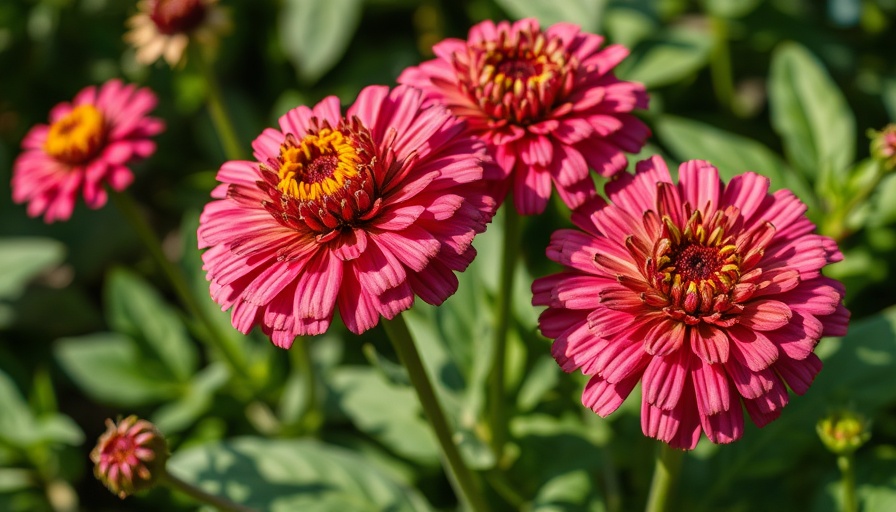
Wilted Zinnia flowers forming seeds in August, vibrant green leaves.

The Importance of Collecting Seeds in August

As summer comes to a close, August presents an excellent opportunity for gardeners. Collecting seeds from your garden at this time is not only productive but also deeply rewarding. This practice offers a multitude of benefits, the most notable being cost-effectiveness and the promotion of biodiversity in your gardening space. By collecting seeds, you can propagate your favorite plants year after year without the recurring expense of purchasing seeds each season.

Moreover, harvesting seeds in August allows you to select from the strongest and healthiest plants in your garden. This leads to improved genetics over time, as you sow seeds from plants that are most accustomed to your local environment. Such practices contribute to a harder and more resilient garden.

Seed Collecting: A Connection to Nature

Engaging in seed collection fosters a deeper connection to your garden, aligning you with nature's cycles. The act of harvesting seeds not only enhances your gardening knowledge but also connects you to the local ecosystem, nurturing an environment conducive to diversity. As you gather seeds, you might find joy in swapping them with neighbors or friends, expanding your garden with local genetic varieties that thrive well in your region.

Top Seeds to Collect in August

Here's a highlight of some of the best plants to collect seeds from this month:

  • Zinnia (Zinnia elegans): A favorite among gardeners, zinnias provide vibrant colors and attract pollinators. To collect seeds, allow a few flower heads to dry before pinching them off and harvesting the arrow-shaped seeds inside.
  • Coneflower (Echinacea spp.): These hardy flowers not only offer striking beauty but also provide seeds that are essential for their continued growth. Like zinnias, ensuring some flowers remain undisturbed allows for seed development.
  • Marigold (Tagetes spp.): Known for their pest-repelling qualities, marigolds are easy to save seeds from. Once the blooms are browning, gather and dry the seeds for future planting.

Focusing on Local Gardening Tips

For those in Muskegon, developing a successful gardening space can become easier with targeted initiatives like starting a backyard planting box or constructing outdoor soil beds. Local gardening efforts can significantly enhance your seed collection and plant propagation endeavors. If you’ve recently harvested seeds, consider creating a designated area for your plants that fosters their adaptation to the local climate, using homemade watering devices or constructing raised beds. Every effort you invest adds value to your garden and reinforces the local ecosystem.

Strategies to Enhance Your Gardening Experience

Incorporating various gardening techniques can transform your plant collection practices. Engaging in small seasonal projects like building a rustic gate or designing a backyard utility house enhances the aesthetic and function of your garden. Consider using upcycled materials to create unique plant displays or decorative features that also serve as a habitat for local wildlife. Such initiatives support not only personal enjoyment but also community involvement in improving local flora.

Call to Action: Partnering for a Beautiful Yard

As you dive into seed collection and enhance your gardening space, consider partnering with a reliable local lawn care service. With an expert like Norther-LawnCare.com, you can ensure that your garden thrives all season long, including during the critical winter months. Connect with Everett Lucas at 231-450-3414 to elevate your gardening game.

DIY Projects & How-To Guides

3 Views

Write A Comment

*
*
Related Posts All Posts
02.06.2026

Kickstart Your February Gardening with This Essential Checklist

Update Prepare Your Garden: Essential February Garden ChecklistAs gardens across North America enter their dormant phase during February, it's time to strategize for the upcoming growing season. Whether you're in the chill of Michigan, the warmth of Texas, or somewhere in between, dedicating time to your garden this month can position you for a fruitful spring. A comprehensive February garden checklist, created by experienced gardeners, will guide your planting, chores, and maintenance as you anticipate warmer months. Revitalize Your Gardening ToolsOne of the most vital tasks on your February garden checklist is to ensure your tools are primed for action. Dull or dirty tools can lead to improper cuts and damage to plants. Spend some time cleaning and sharpening your shovels, pruners, and trowels. For those preparing for pruning, make sure your tools are sterilized with isopropyl alcohol to prevent spreading diseases. If you've been meaning to construct outdoor soil beds or build elevated planter boxes, having your tools ready is crucial for a smooth transition into spring. Cold-Weather Activities: Seed Starting and Soil PrepFebruary is prime seed-starting time; even if snow still blankets the ground, your indoor garden can thrive. Start slow-growing herbs like rosemary, sage, or thyme this month. If you're in northern regions, consider starting alliums and wildflower seeds that thrive with a cold stratification process. Meanwhile, begin prepping your garden beds by amending the soil with compost and organic matter to support moisture retention and healthy drainage. This preparation will create an optimal environment for your future crops. Utilize the Climate: Local Planting TipsUnderstand the unique conditions of your region to maximize your gardening efforts. For instance, in northern areas where snow still falls, consider engaging in tasks like organizing seed catalogs, planning garden design, or testing your stored seeds for viability. In contrast, southern gardeners can dive right into planting root vegetables and cool-season crops. This awareness of climate impacts not only enhances your garden but also reflects environmentally conscious gardening practices. Emphasizing Sustainable PracticesThis February, gardeners are encouraged to adopt sustainable practices. Building composting barrels can greatly reduce waste while providing nutrient-rich soil. Use the natural materials available from your yard, like leaves or pine needles, for organic mulch. This approach fosters a healthy gardening ecosystem while also being budget-friendly. Incorporating greenery into your lifestyle, such as creating a backyard planting box or designing an herb bed, can lead to more savings and fresh produce from your own home. Checking Off Tasks: Motivation for SpringCreating a checklist that enumerates tasks from tool maintenance to seed starting can motivate homeowners to accomplish essential chores. Each task you strike off not only brings you closer to a thriving garden in spring but also offers a chance to reflect on your gardening journey. Embrace this method as a way to recapture the joy of gardening and ensure you're prepared as the growing season unfolds. Final Thoughts on Your February GardenFor those poised to embrace spring with zest, a well-prepared February serves as a foundation for gardening success. From building shade covers for patios to experimenting with homemade watering devices, your February garden checklist offers actionable insights to ensure a productive year ahead. Set your intentions, gather your supplies, and step into this gardening season prepared and inspired!

02.06.2026

Maximize Your February Gardening: Zone-Specific Planting Guide

Update Unlock Your February Planting Potential by Hardiness Zone As the winter chill lingers, gardeners across North America find themselves searching for ways to combat the cold and prepare for the upcoming planting season. For those eager to dig their hands into the soil, February is the gateway to growth—if you know what to plant and where you are located. Each USDA hardiness zone has unique conditions that dictate what can thrive even in the depths of winter. What Every Gardener Should Know About Their Hardiness Zone The USDA Hardiness Zone Map is an essential tool for every gardener. It divides North America into zones based on average minimum winter temperatures, allowing you to identify what plants will flourish in your climate. For instance, Zones 1-3 experience freezing temperatures for extended periods, making them ideal for cold-weather crops like kale and broccoli. In contrast, Zones 9 and 10 enjoy mild winters and can sustain a year-round garden with proper knowledge. Best Practices for Planting in Zones 1-3: Cold-Tolerant Choices In the northernmost zones, from the frigid expanses of Alaska to parts of the Midwest, gardeners need to maximize their indoor planting strategy. This month, focus on cold-hardy herbs like rosemary, parsley, and sage, which can be started indoors. Utilizing seed starting stations creatively boosts your success rate, whether you repurpose containers or invest in a dedicated setup. Microgreens are another excellent choice for indoor growing, ensuring that you get your gardening fix even in the cold. February Opportunities in Zone 4: Winter Sowing for Early Bloom February is an exciting time in Zone 4 as it lends itself to winter sowing. By placing hardy perennials such as echinacea and bee balm outside, you can establish seedlings ready for transplant as the last frost passes. This method not only takes advantage of the natural cold but emphasizes native species that support local ecosystems, a modern touch to traditional gardening methods. Jumpstart Your Growing Season in Zones 5 and 6 with Indoor Starts As temperatures begin to rise, those in Zones 5 and 6 can dive into more robust planting. Now is the perfect time to start tomatoes and peppers indoors, which need a bit of pampering before flourishing outdoors. Starting your strawberry plants will also provide a bountiful return once the weather warms. Don't forget to consider onion seeds, as they benefit from an early start. Refreshing the Soil: Essential Tips for Successful Gardening No matter your hardiness zone, soil preparation is crucial. Begin by enriching your soil with compost and ensuring excellent drainage. Implementing a layering technique in raised beds not only promotes healthy root systems but can enhance the growth of various plant types. For those in warmer climates, consider season extenders like cold frames and row covers, which can ensure crops thrive even with unexpected temperature shifts. Think Ahead: Gardening Beyond February While February focuses on preparation and indoor planting, it’s important for gardeners to plan for the upcoming months. Document your planting dates, crop success, and soil conditions through a garden journal. This record will serve as a priceless guide for future growing seasons. Furthermore, collaborating with local gardening communities, whether online or in-person, may provide vital insights and tips that cater specifically to your region's challenges and triumphs. Your Call to Action: Start Building Today! As you plan your garden this February, it's time to consider some DIY projects that can significantly enhance your gardening experience. Whether it's building elevated planter boxes in Muskegon or designing a backyard utility house, many creative projects can make your gardening journey more efficient and enjoyable. Embark on these ventures today to ensure your garden thrives come spring!

02.05.2026

Unlock the Secrets of Low-Maintenance Orchids for Home Gardeners

Update Orchids for Everyone: Transforming the Garden with Low-Maintenance VarietiesIf you’ve shied away from growing orchids due to their high-maintenance reputation, it's time to reconsider. Despite common misconceptions, many orchids are incredibly adaptable and can flourish in standard home conditions. Here, we'll explore beginner-friendly varieties that can uplift your space without demanding delicate care.Phalaenopsis: The Reliable Choice for BeginnersCommonly known as moth orchids, Phalaenopsis are perhaps the easiest orchids for newcomers to grow. Found in most florists and garden centers, they thrive in typical home conditions with a simple care routine. These orchids favor indirect sunlight, making an east-facing window ideal. Their stunning blooms can last for two to three months, bringing vibrant life to any room. Watering is straightforward; a weekly soak allows the roots to absorb moisture, but remember, overdosing can be detrimental.Cattleya: Show-Stopping Blooms with Minimal EffortCattleyas are celebrated for their breathtaking flowers and easy-going nature. They prefer bright conditions, enjoying gentle morning sun. Cattleyas function best when allowed to dry out between waterings, storing moisture in their distinct pseudobulbs. These orchids are forgiving of occasional lapses, making them great for busy homeowners.Paphiopedilum: Beauty Without the ComplexityLady slipper orchids, or Paphiopedilums, offer unique and intricate flowers while being surprisingly low-maintenance. They thrive in lower light conditions, making them perfect for north-facing windows or artificial light setups. Their cultivation is straightforward; keep the medium consistently moist, and watch for their beautiful blooms that elevate any indoor garden.Embracing Orchid Care in Your DIY ProjectsIncorporating these orchids into your garden or home can inspire a plethora of related DIY projects. Imagine starting a backyard planting box where you include these low-maintenance beauties. Constructing outdoor soil beds can be beneficial for those looking to showcase orchids alongside other plants, while building elevated planter boxes adds an aesthetic appeal while ensuring optimal conditions for growth.Seasonal Considerations: Making the Most of Your Orchid CollectionUnderstanding the seasonal needs of each orchid species can maximize their health and vibrancy. Cattleyas and Miltoniopsis, for instance, thrive with a cooler night temperature to trigger blooming. Be mindful of this as summer fades into fall, and you can anticipate beautiful blooms around the holidays.Start Your Indoor Orchid AdventureWith these tips and insights, stepping into the world of orchids is more manageable than ever. Low-maintenance options like Phalaenopsis and Cattleya can transform your home into a vibrant oasis. So why not take the plunge? Start exploring these beautiful plants today and consider building a rustic gate or potting your new orchids to give them the spotlight they deserve!

Terms of Service

Privacy Policy

Core Modal Title

Sorry, no results found

You Might Find These Articles Interesting

T
Please Check Your Email
We Will Be Following Up Shortly
*
*
*