
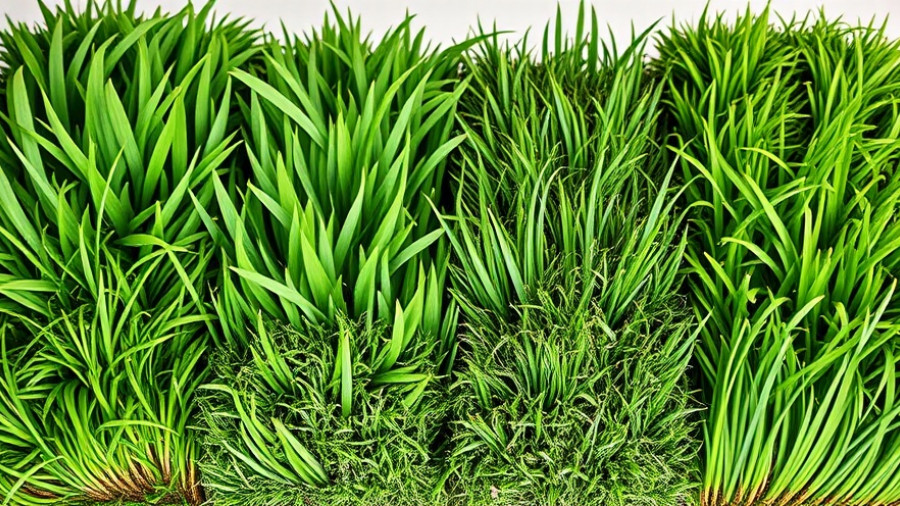
The Ideal Grass Cutting Height: Tailoring Your Lawn Care
For homeowners and small commercial property owners, maintaining an attractive lawn is a point of pride. However, understanding the best height to cut grass isn’t one-size-fits-all. The optimal mowing height varies based on the specific type of grass — a crucial detail that can hugely affect your lawn's health and vibrancy.
Grass Types: Cool-Season vs. Warm-Season
Recognizing the type of grass growing in your yard is key to effective lawn care. Cool-season grasses, such as tall fescue and Kentucky bluegrass, thrive in the northern U.S. and typically need to be cut to heights of 2 to 4 inches. Meanwhile, warm-season grasses, such as Bermudagrass and Zoysiagrass, flourish in the south and can handle shorter cuts, generally around 1 to 2 inches. This foundational understanding assists in setting your lawn mower at the right height, ensuring healthy growth.
The One-Third Rule: A Simple Guideline
A practical tip in lawn care is the One-Third Rule for mowing. This rule recommends that you should never cut more than a third of the grass blade length at a time. By adhering to this rule, you help preserve the plant’s leaf surface, allowing it to photosynthesize effectively and maintain a healthy root system. For instance, if your grass type should be at 3 inches, wait until it reaches around 4.5 inches before cutting.
Seasonal Adjustments for Optimal Care
Grass does not require the same care year-round. In the spring, as grass begins to grow rapidly, consider mowing it to the lower end of the height range. Come summer, especially during periods of drought, raise your mower height to provide longer blades that help shade the soil, reducing moisture loss. As you transition into fall, you can gradually lower the height again to prepare for winter dormancy.
Tools and Techniques: Investing in the Right Equipment
For homeowners serious about their lawns, investing in quality tools, equipment, and products is essential. A well-maintained lawn mower, particularly a reel mower, can make a significant difference, especially if you aim to cut at lower heights and achieve a manicured finish. Sharp blades, which reduce tearing at the ends of the grass blades, can also help maintain lawn health. Regular maintenance checks on your equipment will ensure optimal performance and longevity.
Professional Help: When It's Time to Call in the Experts
Not everyone has the time or the know-how to maintain a perfect lawn. When in doubt, hiring professionals can take the guesswork out of lawn care. Lawn care experts are familiar with the various types of grass, seasonal variations, and the ideal cutting heights. They can provide consistent mowing services, ensuring your lawn remains lush and vibrant throughout the growing season.
Final Thoughts: Elevate Your Lawn Care Routine
Understanding the right height to cut your grass is an essential step towards maintaining a healthy lawn. By considering factors such as grass type, adhering to guidelines like the One-Third Rule, and adjusting mowing heights according to the season, you set yourself up for success. Whether you’re a DIY enthusiast or prefer professional help, taking proactive steps will lead to a thriving lawn you can be proud of.
As you embark on your lawn care journey, remember the benefits that come with knowing your grass type and opting for seasonal adjustments. For more insights on effective lawn maintenance and to explore the latest in lawn care tools and equipment, consider visiting your local home improvement center or consulting with a lawn care professional.





Write A Comment